Thimphu – Bhutan’s Vibrant Capital

Thimphu, the capital city of Bhutan, beautifully combines traditional Bhutanese culture with modern development. Surrounded by mountains and valleys, the city offers a fascinating glimpse into Bhutan’s lifestyle, government, religion, and arts.

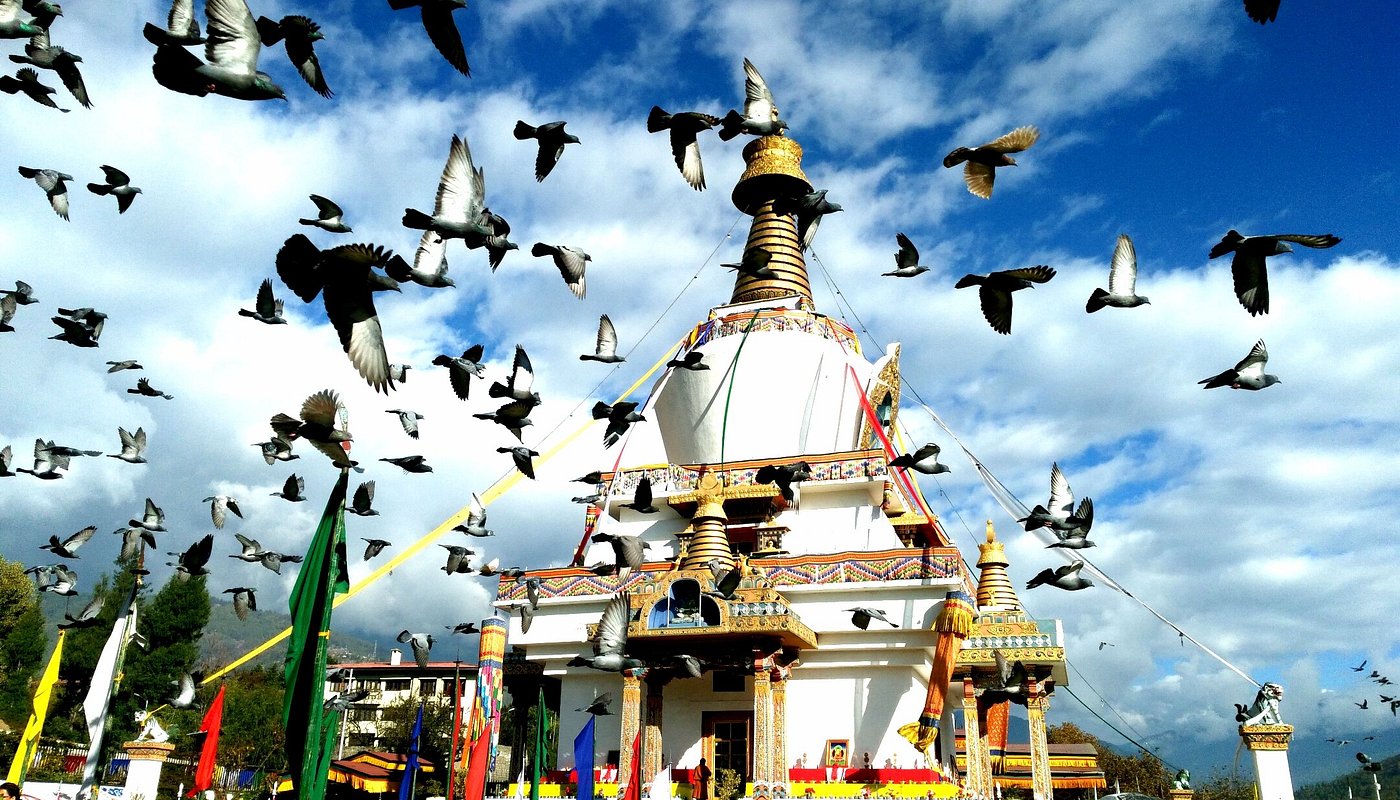
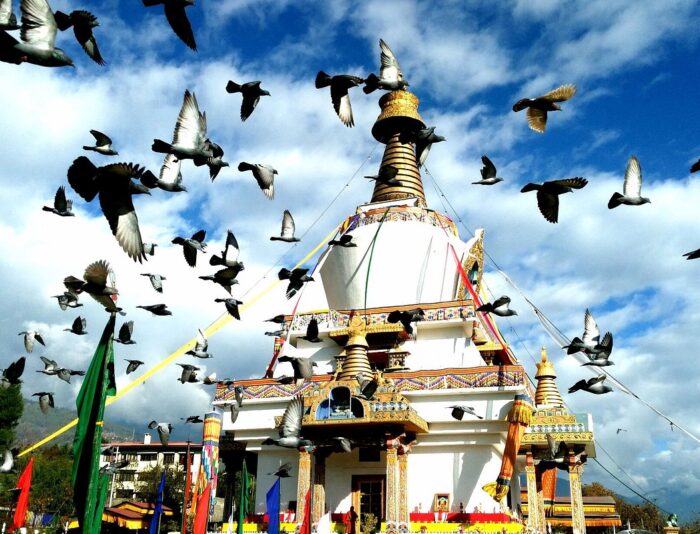
Memorial Chorten
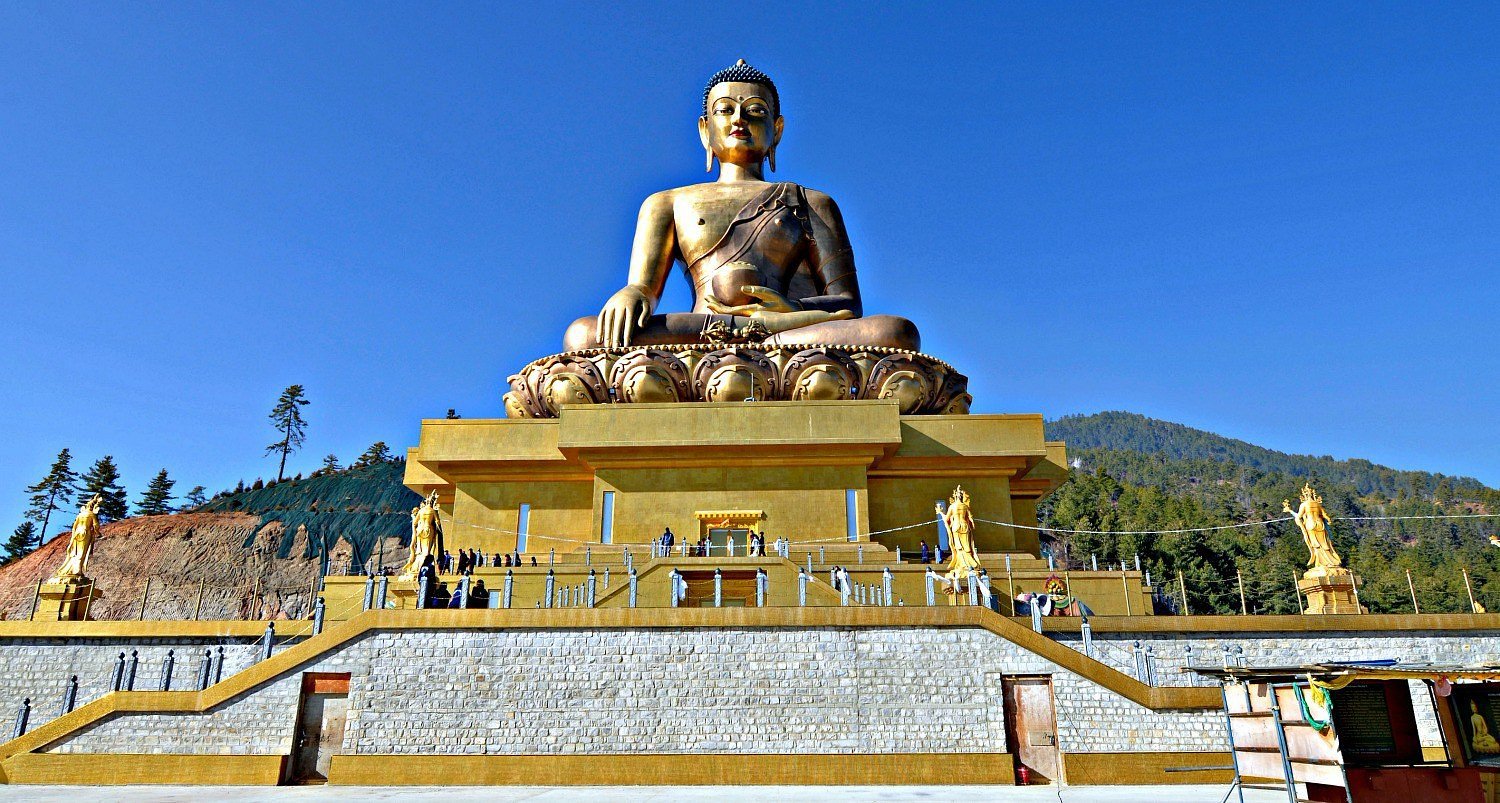
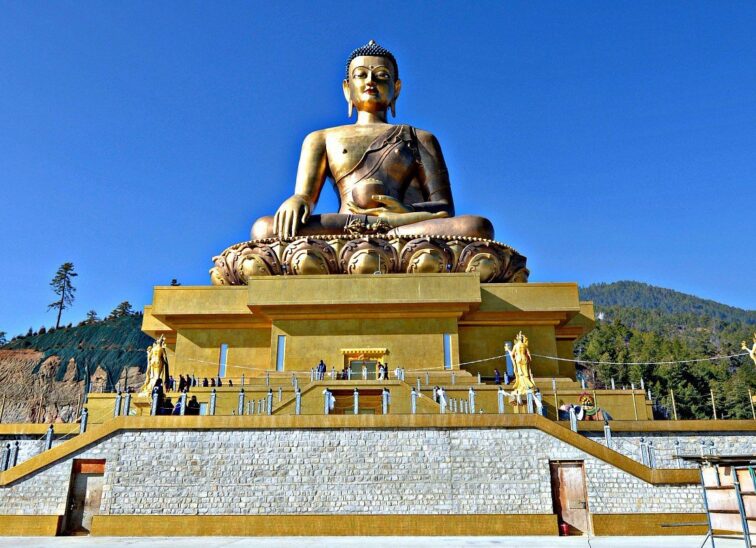
Buddha Dordenma Statue
Inspired by the World • Inspired by the World •

Why Visit Thimphu?

Thimphu offers a completely different experience from other Bhutanese destinations. It is the country’s political, cultural, and economic center while still maintaining a strong connection to traditional Bhutanese values.

Highlights of Thimphu

  • Bhutan’s capital city
  • Rich Buddhist heritage
  • Traditional Bhutanese architecture
  • Beautiful Himalayan surroundings
  • Museums and cultural centers
  • Local markets and handicrafts
  • Traditional Bhutanese cuisine
  • Scenic viewpoints
  • Vibrant festivals
  • Easy access to nearby destinations

Top Attractions in Thimphu

Standing high on a hill overlooking Thimphu Valley, the Buddha Dordenma is one of the city's most recognizable landmarks.

The enormous gilded Buddha statue is surrounded by thousands of smaller Buddha images and offers spectacular views across the valley.

The site is particularly beautiful during sunrise and sunset, making it a popular destination for photographers and travelers seeking peaceful surroundings.

Things to Experience
  • Panoramic views of Thimphu
  • Buddhist architecture
  • Peaceful meditation environment
  • Sunrise and sunset photography
  • Scenic mountain landscapes
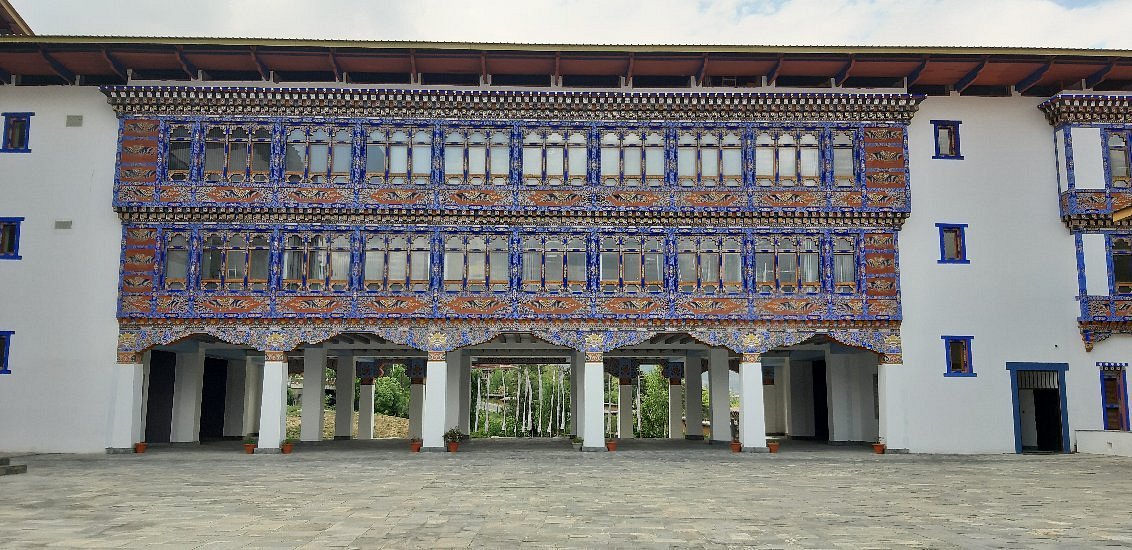
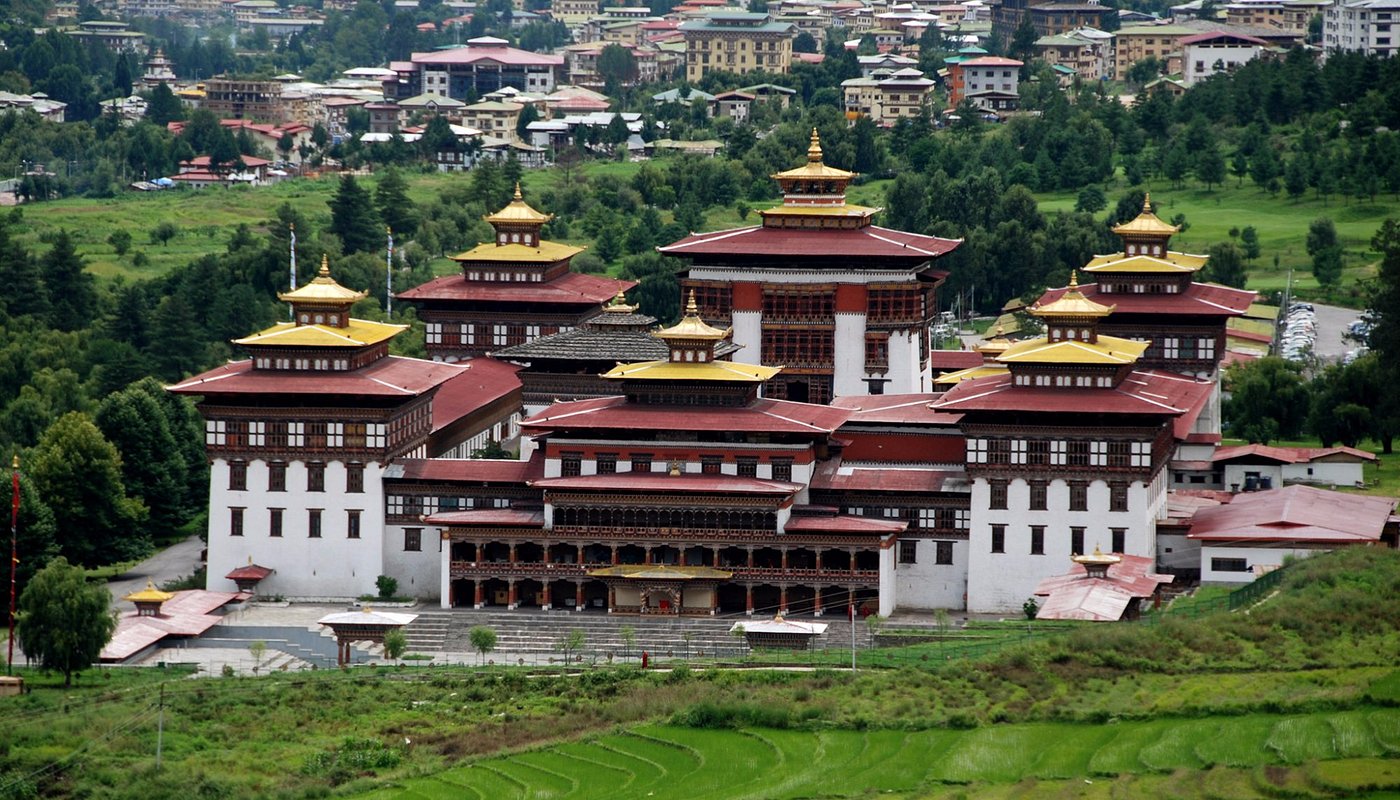
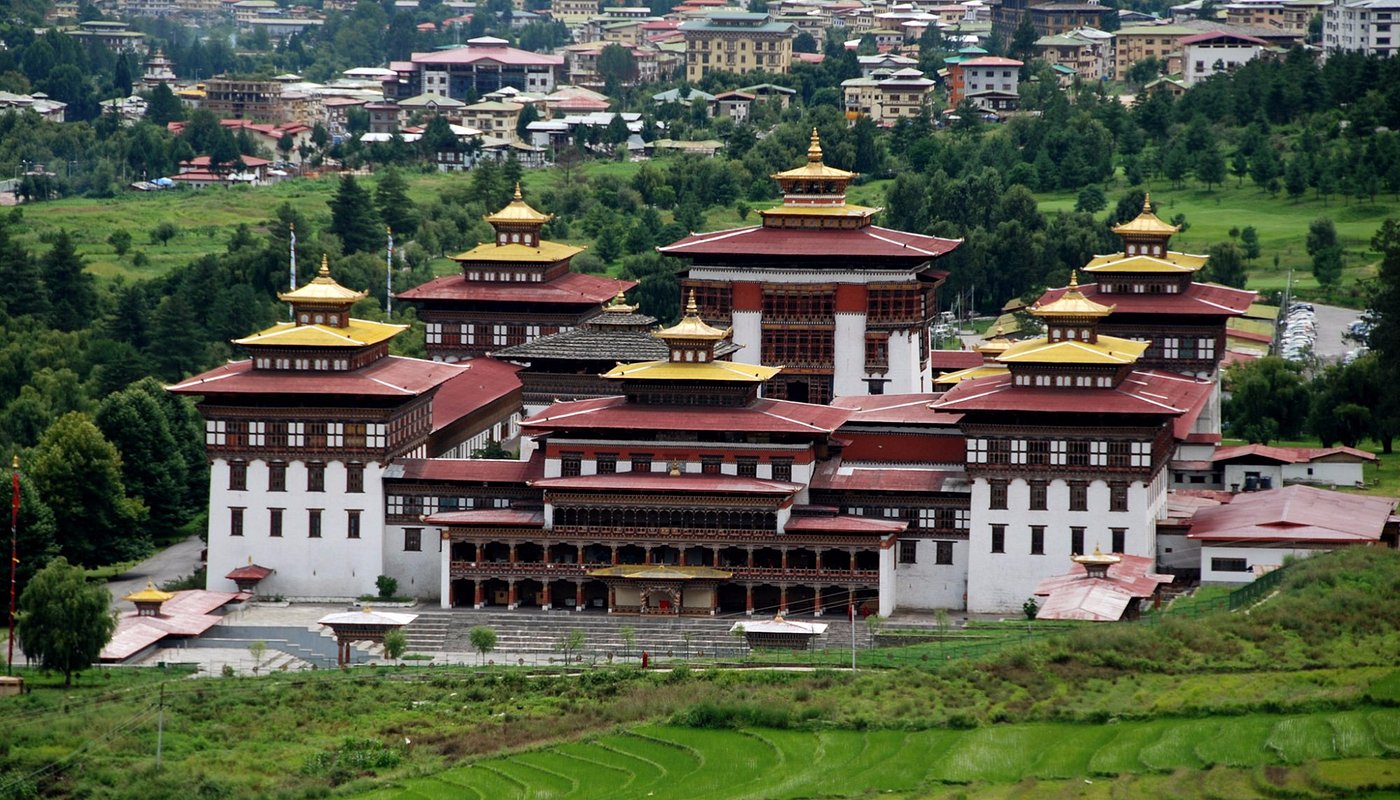
  • Tashichho Dzong is one of Bhutan's most important landmarks and serves as an important center of government and religion.

    Located beside the Wang Chuu River, the impressive fortress showcases traditional Bhutanese architecture, intricate woodwork, and beautiful courtyards.

    The dzong becomes particularly lively during major religious and cultural celebrations.

    3. Memorial Chorten

    The Memorial Chorten is one of Thimphu’s most visited religious monuments. Located in the heart of the city, it is surrounded by prayer wheels and is frequently visited by local residents.

    Visitors can observe people walking around the chorten while reciting prayers and turning prayer wheels.

    It is an excellent place to experience Bhutan’s living Buddhist traditions.

    4. Motithang Takin Preserve

    The Motithang Takin Preserve is home to Bhutan’s national animal, the takin.

    The takin is a unique mountain animal found in the Himalayan region and is closely associated with Bhutanese folklore and culture.

    The preserve provides visitors with an opportunity to observe these unusual animals in a natural forest environment.

    5. National Textile Museum

    Bhutan is well known for its traditional weaving and textile craftsmanship.

    The National Textile Museum provides visitors with an insight into Bhutan’s rich textile heritage, including:

    • Traditional weaving techniques
    • Bhutanese clothing
    • Handwoven fabrics
    • Embroidery
    • Regional textile styles
    • Traditional patterns

    It is an excellent attraction for travelers interested in Bhutanese art and craftsmanship.

    6. Folk Heritage Museum

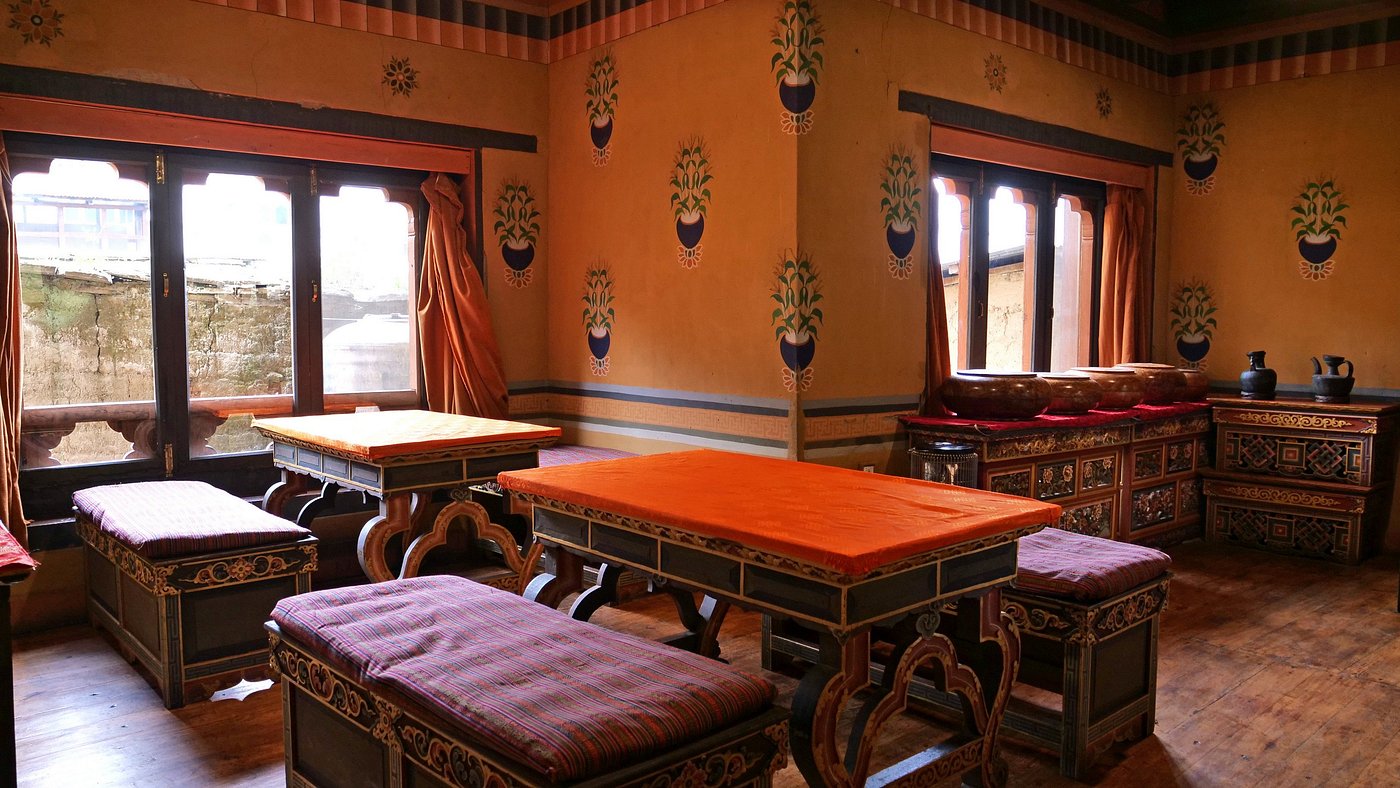
    The Folk Heritage Museum offers visitors a glimpse into traditional Bhutanese rural life.

    The museum demonstrates how Bhutanese families traditionally lived, cooked, farmed, and used household tools.

    Visitors can learn about traditional homes, agricultural practices, food preparation, and everyday customs.

    7. National Institute for Zorig Chusum

    Known as the school of traditional arts, the National Institute for Zorig Chusum preserves Bhutan’s traditional artistic heritage.

    Students are trained in traditional Bhutanese crafts such as:

    • Painting
    • Wood carving
    • Sculpture
    • Embroidery
    • Traditional paper making
    • Wood turning
    • Metal work

    Visitors can gain a deeper understanding of the skills behind Bhutan’s distinctive artistic style.

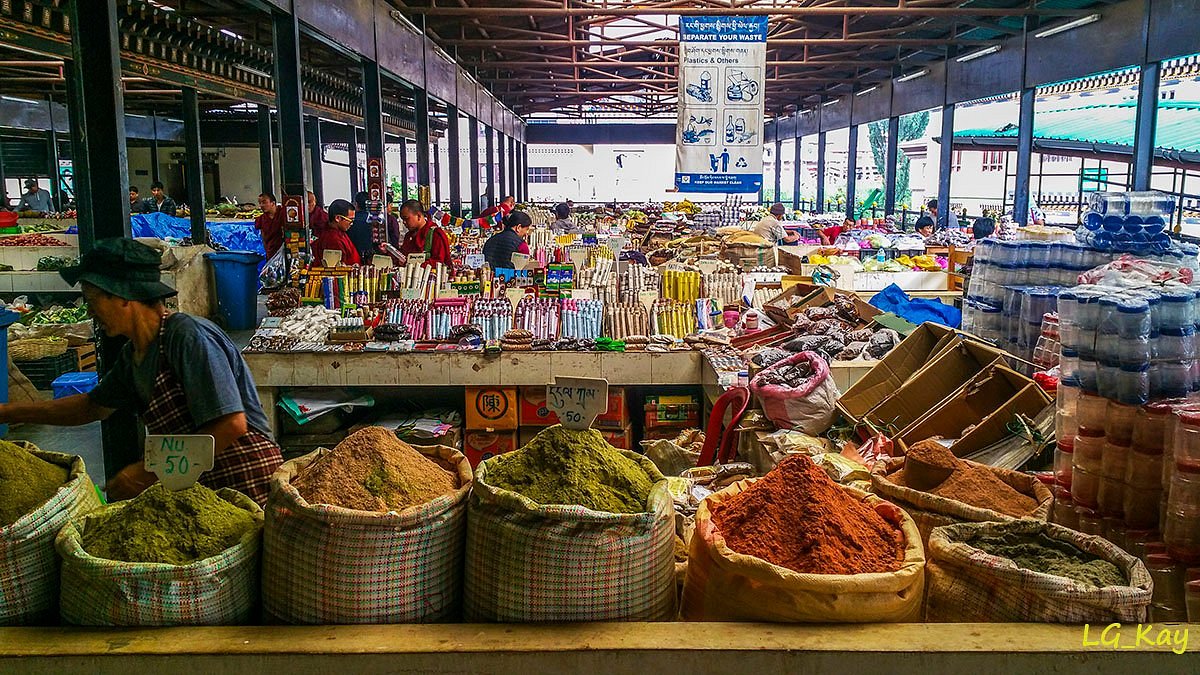
    8. Centenary Farmers' Market

    The Centenary Farmers’ Market is one of the best places to experience local life in Thimphu.

    Farmers from different parts of the region bring fresh produce and traditional products to the market.

    Visitors can find:

    • Fresh vegetables
    • Fruits
    • Bhutanese spices
    • Red rice
    • Local cheese
    • Dried foods
    • Traditional products

    The market is particularly lively during weekends.

    Experience Local Life in Thimphu

    One of the best ways to enjoy Thimphu is to slow down and explore the city beyond its major attractions.

    Take a walk through the streets, visit local shops, observe traditional architecture, and interact with local residents.

    You can also explore small cafes and restaurants to experience Bhutanese food and hospitality.

    Bhutanese Food in Thimphu

    Thimphu is one of the best places in Bhutan to experience both traditional and modern Bhutanese cuisine.

    Popular Bhutanese Dishes

    Ema Datshi

    A traditional combination of chilies and cheese and one of Bhutan’s most famous dishes.

    Kewa Datshi

    Potatoes cooked with cheese and spices.

    Phaksha Paa

    Pork cooked with red chilies and other local ingredients.

    Momos

    Bhutanese-style dumplings available with different fillings.

    Red Rice

    A staple Bhutanese grain commonly served with vegetables, meat, and traditional dishes.

    Suja

    Traditional Bhutanese butter tea.

    Visitors can also find Indian, Chinese, Continental, and other international cuisines throughout Thimphu.


    Thimphu for Culture Lovers

    Thimphu is an ideal destination for travelers interested in Bhutanese history, religion, and traditions.

    Visitors can explore:

    • Ancient monasteries
    • Dzongs
    • Buddhist monuments
    • Traditional arts
    • Local markets
    • Museums
    • Handicraft centers
    • Cultural performances

    The city provides a deeper understanding of Bhutan’s unique identity and way of life.

    Thimphu for Families

    Thimphu is a comfortable destination for family vacations. Families can enjoy a combination of educational, cultural, and outdoor experiences.

    Family-Friendly Experiences
    • Visit Buddha Dordenma
    • Explore the Takin Preserve
    • Visit the Folk Heritage Museum
    • Explore local markets
    • Try Bhutanese food
    • Visit traditional craft centers
    • Enjoy scenic walks
    • Explore nearby nature trails

    Children can learn about Bhutanese culture, wildlife, traditional crafts, and local lifestyles while enjoying the journey.


    Thimphu for Couples

    Couples can enjoy a peaceful and romantic experience in the Bhutanese capital.

    Romantic Experiences

    • Sunset views from Buddha Dordenma
    • Scenic valley drives
    • Traditional Bhutanese dining
    • Relaxing hotel experiences
    • Cultural sightseeing
    • Short nature walks
    • Exploring local markets together

    Thimphu can easily be combined with Paro and Punakha for a memorable honeymoon itinerary.

    Thimphu for Photography

    Thimphu offers numerous opportunities for travel photography.

    Popular Photography Locations
    • Buddha Dordenma
    • Tashichho Dzong
    • Memorial Chorten
    • Traditional Bhutanese buildings
    • Wang Chuu River
    • Farmers’ Market
    • Local streets
    • Mountain viewpoints
    • Cultural festivals

    Early morning and late afternoon often provide beautiful natural light for landscape and architectural photography.

    Festivals in Thimphu

    Thimphu hosts some of Bhutan’s most important cultural celebrations.

    Thimphu Tshechu

    The Thimphu Tshechu is one of the country’s most famous festivals. Monks and performers participate in traditional masked dances, religious ceremonies, and cultural performances.

    Visitors can witness:

    • Mask dances
    • Traditional music
    • Religious rituals
    • Colorful costumes
    • Local celebrations
    • Bhutanese cultural traditions

    The festival provides a wonderful opportunity to experience Bhutanese culture in a lively and authentic environment.

    Shopping in Thimphu

    Thimphu offers excellent opportunities to purchase traditional Bhutanese handicrafts and souvenirs.

    Popular Items
    • Handwoven textiles
    • Bhutanese scarves
    • Traditional clothing
    • Wooden handicrafts
    • Handmade paper products
    • Buddhist artwork
    • Local souvenirs
    • Traditional decorative items

    Visitors can explore handicraft shops and local markets throughout the city.

    Traditional Arts and Crafts

    Bhutan places great importance on preserving traditional arts and crafts.

    In Thimphu, travelers can learn about Bhutan’s traditional artistic heritage through craft schools, museums, and local workshops.

    Traditional Bhutanese crafts include:

    • Painting
    • Wood carving
    • Sculpture
    • Weaving
    • Embroidery
    • Paper making
    • Metalwork

    These traditions continue to play an important role in Bhutanese culture.

    Dochula Pass from Thimphu

    Dochula Pass is a popular excursion from Thimphu toward Punakha.

    Located at approximately 3,100 metres, the pass is famous for its 108 Druk Wangyal Chortens and panoramic Himalayan views on clear days.

    The Druk Wangyal Lhakhang and surrounding mountain scenery make it an important stop for travelers exploring the Thimphu–Punakha route.

    Best Time to Visit Thimphu

    Spring – March to May

    Spring brings pleasant weather and colorful flowers to the surrounding landscapes. It is an excellent season for sightseeing and outdoor activities.

    Summer – June to August

    The valley becomes lush and green. Travelers should be prepared for occasional rainfall.

    Autumn – September to November

    Clear skies and comfortable temperatures make autumn one of the most popular seasons for visiting Thimphu.

    Winter – December to February

    Winter brings cooler temperatures and quieter surroundings. Sunny days can still be pleasant for sightseeing.

    Suggested Stay Duration

    We recommend staying 2–3 days in Thimphu to experience the city’s major attractions without rushing.

    Suggested 3-Day Itinerary

    Day 1 – Cultural Thimphu
    Buddha Dordenma → Memorial Chorten → Tashichho Dzong → Thimphu town

    Day 2 – Heritage & Local Life
    Folk Heritage Museum → Textile Museum → Traditional Arts School → Farmers’ Market

    Day 3 – Nature & Surroundings
    Local sightseeing → Scenic viewpoint → Optional Dochula Pass excursion → Continue to Punakha

    Nearby Destinations

    Thimphu is well connected with several major Bhutanese destinations.

    Paro

    Home to Tiger’s Nest Monastery and Bhutan’s international airport.

    Punakha

    Famous for Punakha Dzong, river valleys, and scenic landscapes.

    Wangdue Phodrang

    Known for beautiful valleys and cultural attractions.

    Haa Valley

    A peaceful destination offering traditional villages and mountain scenery.

    Phobjikha Valley

    Famous for its beautiful landscape and Black-Necked Cranes.

    Travel Information for Thimphu

    Visa and Permits

    International travelers generally require a Bhutan visa arranged through an authorized Bhutanese travel operator. Indian travelers follow Bhutan’s separate entry-permit requirements.

    Sustainable Development Fee

    The Sustainable Development Fee supports Bhutan’s sustainable tourism initiatives, environmental conservation, infrastructure, healthcare, and education. Applicable rates and rules may change according to Bhutanese government regulations.

    Entry for Indian Travelers

    Indian citizens can generally enter Bhutan using a valid:

    • Passport, or
    • Voter Identity Card

    Entry permits are required and are processed through designated entry points.

    Flights

    Thimphu does not have an international airport. Most international travelers arrive at Paro International Airport and travel by road to Thimphu.

    Currency

    Bhutan’s official currency is the Ngultrum (BTN). Indian Rupees are also widely accepted in Bhutan, although travelers should carry suitable denominations and payment options.

    Internet

    Hotels, restaurants, cafes, and major tourist areas generally provide internet access. Connectivity can become weaker in remote mountainous areas.

    Safety

    Thimphu is generally a safe destination for travelers. Visitors should nevertheless follow normal travel precautions, especially when hiking, driving in mountainous areas, or carrying valuables.

    Packing Tips for Thimphu

    Pack according to the season and activities planned during your visit.

    Essentials

    • Comfortable walking shoes
    • Warm layers
    • Light jacket
    • Sunglasses
    • Sunscreen
    • Personal medications
    • Power bank
    • Travel adapter
    • Reusable water bottle
    • Camera

    For visits to monasteries and dzongs, modest and respectful clothing is recommended.

    Why Visit Thimphu with Bhutan Travel Tag?

    At Bhutan Travel Tag, we create carefully planned Bhutan journeys that allow travelers to experience Thimphu comfortably and authentically.

    Our team can assist with:

    • Customized itineraries
    • Hotel arrangements
    • Transportation
    • Local guides
    • Cultural experiences
    • Sightseeing
    • Family holidays
    • Honeymoon packages
    • Festival tours
    • Adventure experiences

    From the spiritual atmosphere of Buddha Dordenma to the historic beauty of Tashichho Dzong and the lively streets of the capital, Thimphu offers an unforgettable introduction to Bhutanese culture.

    Explore Thimphu with Bhutan Travel Tag and experience the culture, traditions, nature, and warm hospitality of Bhutan’s remarkable capital city.

    Best Time to Visit

    March to May and September to November.

    Suggested Stay 2 Days

    Accommodation Options
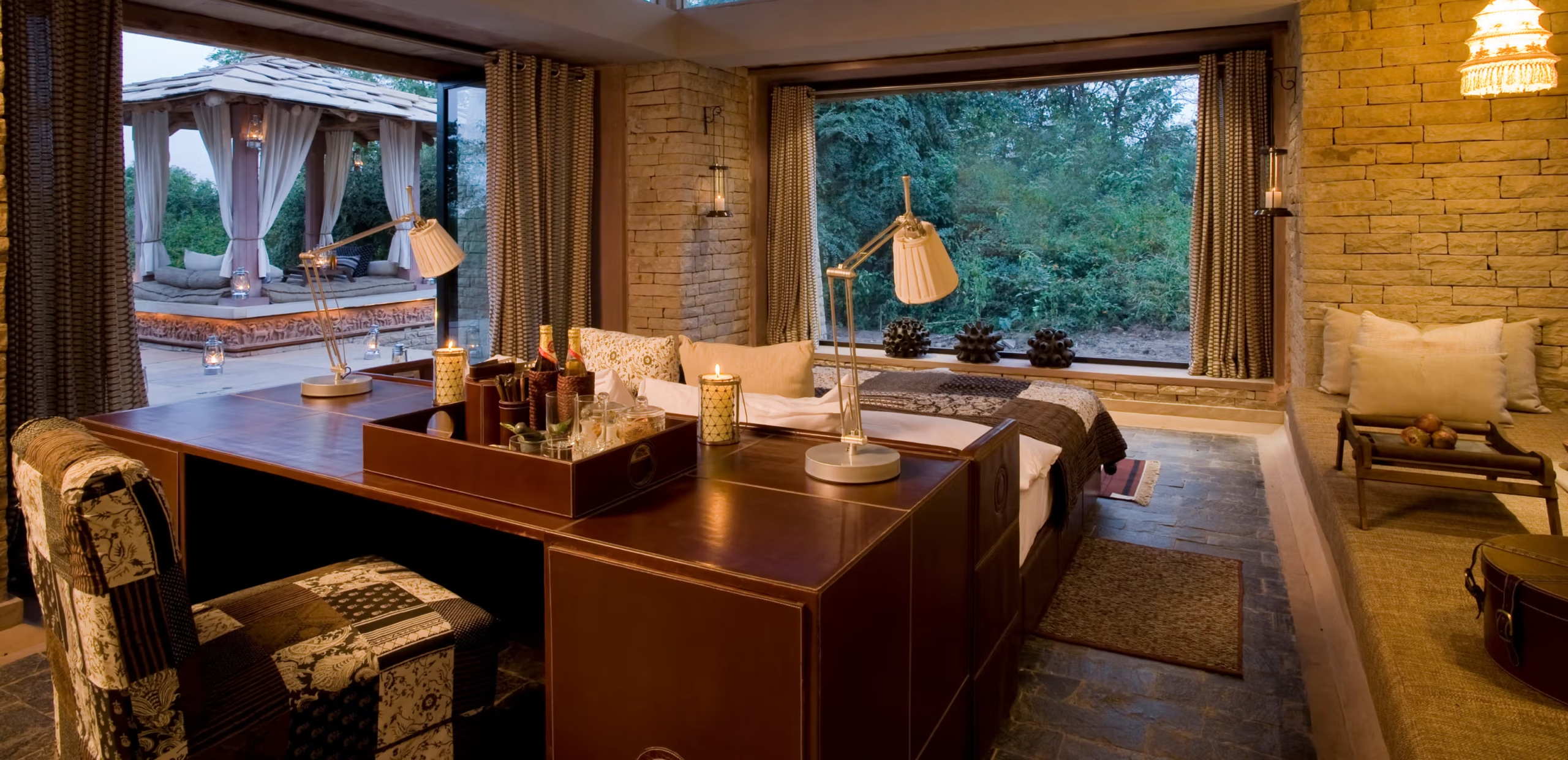
    From luxury hotels to charming boutique accommodations, Thimphu offers excellent lodging options for visitors.

    Sample Itinerary
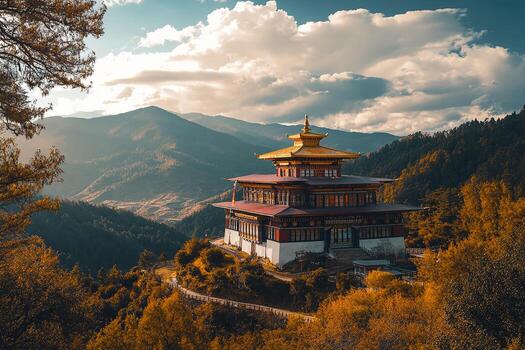
    Explore Buddha Point, Tashichho Dzong, and the Memorial Chorten on the first day. Spend the second day visiting museums, local markets, and experiencing Bhutanese culture.

    Top Attractions

    Explore Thimphu
    Call Us