Eastern Bhutan – Discover Authentic Bhutan

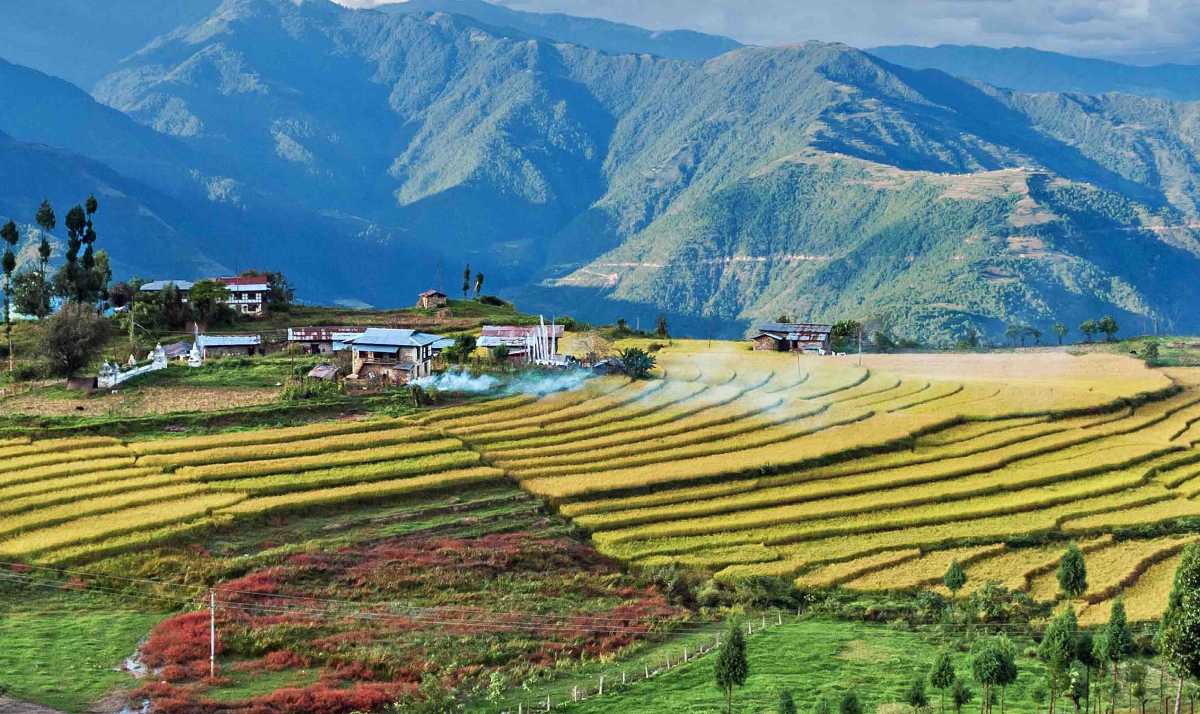
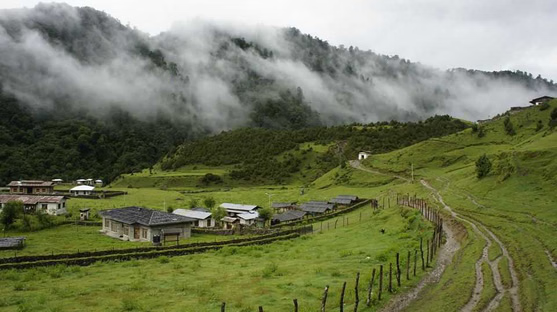
Eastern Bhutan remains one of the most untouched regions of the country. The area offers authentic cultural experiences, traditional villages, scenic mountains, and warm local hospitality.

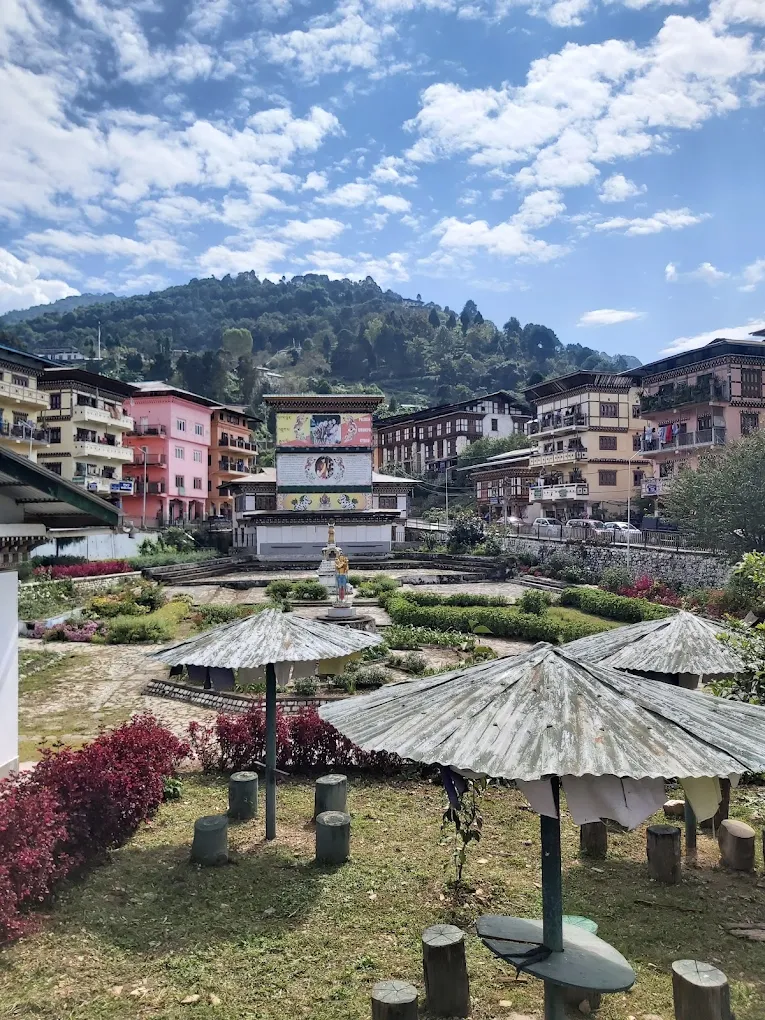
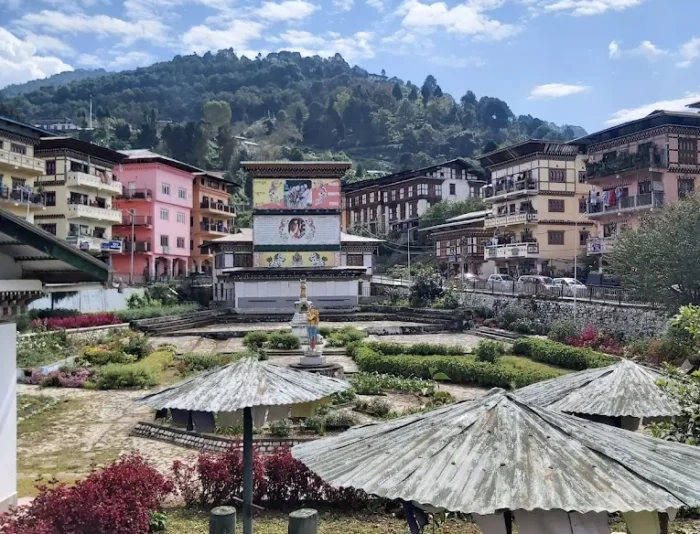
Mongar Town
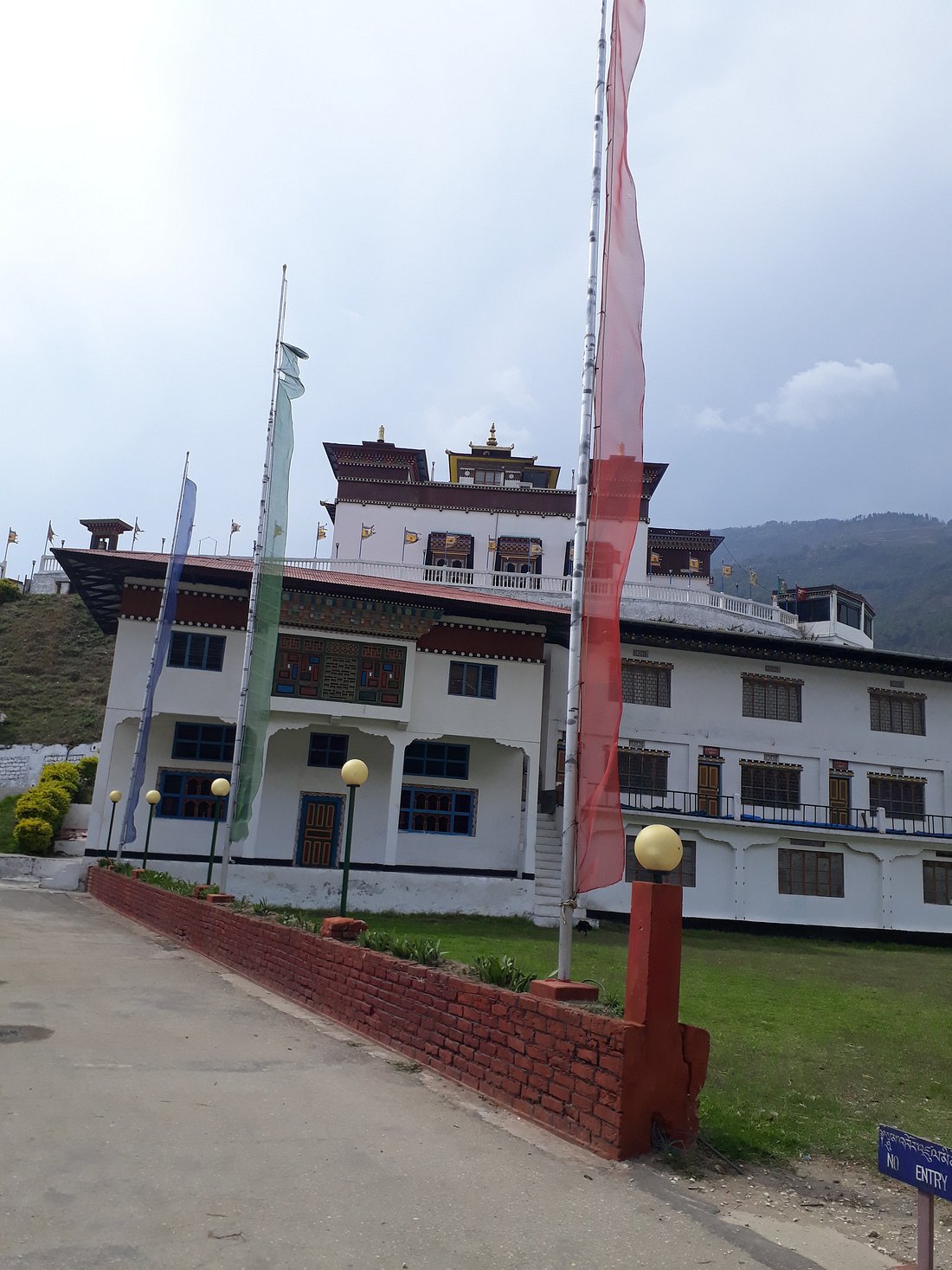
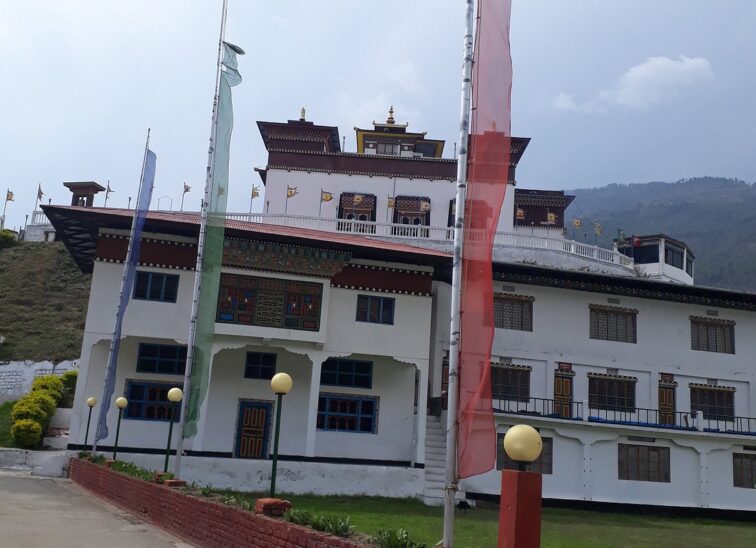
Trashigang Dzong
Inspired by the World • Inspired by the World •

Top Attractions

Explore Eastern Bhutan
Why Visit Eastern Bhutan?

Eastern Bhutan is ideal for travelers who want to explore beyond the country’s classic tourist circuit.

  • Authentic Bhutanese village life
  • Beautiful mountain landscapes
  • Traditional monasteries and temples
  • Dense Himalayan forests
  • Scenic mountain roads
  • Rich biodiversity
  • Traditional handicrafts
  • Local festivals
  • Bird-watching opportunities
  • Remote valleys and communities
  • Less-crowded travel experiences
  • Unique eastern Bhutanese culture
  • Eastern Bhutan provides an opportunity to experience a slower and more authentic style of travel.
    Instead of visiting only major tourist attractions, travelers can spend time exploring local communities, walking through villages, visiting traditional homes, discovering small temples, and enjoying spectacular mountain scenery.
    The region is ideal for travelers who prefer cultural immersion and meaningful local experiences rather than a fast-paced sightseeing itinerary.

    Mongar – The Gateway to Eastern Bhutan

    Mongar is one of the major towns of eastern Bhutan and an important stop on eastern travel routes.

    The town is surrounded by steep mountains and deep valleys, creating dramatic views along the mountain roads.

    Things to Experience in Mongar

    • Mongar Dzong
    • Traditional villages
    • Mountain viewpoints
    • Local markets
    • Nature walks
    • Traditional handicrafts
    • Cultural experiences

    Mongar is also a convenient base for exploring nearby communities and eastern Bhutanese landscapes.

    Mongar Dzong

    Mongar Dzong is an important religious and administrative landmark in eastern Bhutan.

    Unlike many older dzongs located on prominent hilltops, Mongar Dzong has a distinctive setting and reflects Bhutan’s traditional architectural style.

    Visitors can explore its courtyards, religious spaces, traditional artwork, and surrounding mountain scenery.

    Trashigang is one of the most important towns in eastern Bhutan and has historically served as a major center for trade and communication in the region.
    The town is surrounded by mountains and valleys and offers access to several fascinating cultural and natural attractions.

    Highlights of Trashigang
  • Trashigang Dzong
  • Traditional villages
  • Buddhist temples
  • Mountain landscapes
  • Local markets
  • Rural experiences
  • Cultural festivals
  • Trashigang Dzong is one of the region's most significant historic landmarks.
    The dzong overlooks the surrounding valley and has played an important role in the religious and administrative history of eastern Bhutan.
    Its location also provides beautiful views of the surrounding mountains.

    Trashiyangtse – The Valley of Traditional Crafts

    Trashiyangtse is known for its beautiful valley landscapes, traditional craftsmanship, religious heritage, and peaceful villages.

    It is particularly interesting for travelers who want to learn about Bhutan’s traditional arts.

    The region is associated with traditional crafts such as:

    • Wood carving
    • Traditional painting
    • Sculpture
    • Handmade products
    • Traditional weaving

    Visitors can combine cultural exploration with village walks and nature experiences.

    Chorten Kora

    One of the best-known attractions in Trashiyangtse is Chorten Kora, an important Buddhist monument inspired by the Boudhanath-style stupa tradition of the Himalayan region.

    The monument is an important pilgrimage site and becomes especially lively during its annual religious festival.

    The Chorten Kora Festival provides an opportunity to experience traditional dances, religious ceremonies, local gatherings, and Bhutanese cultural traditions.

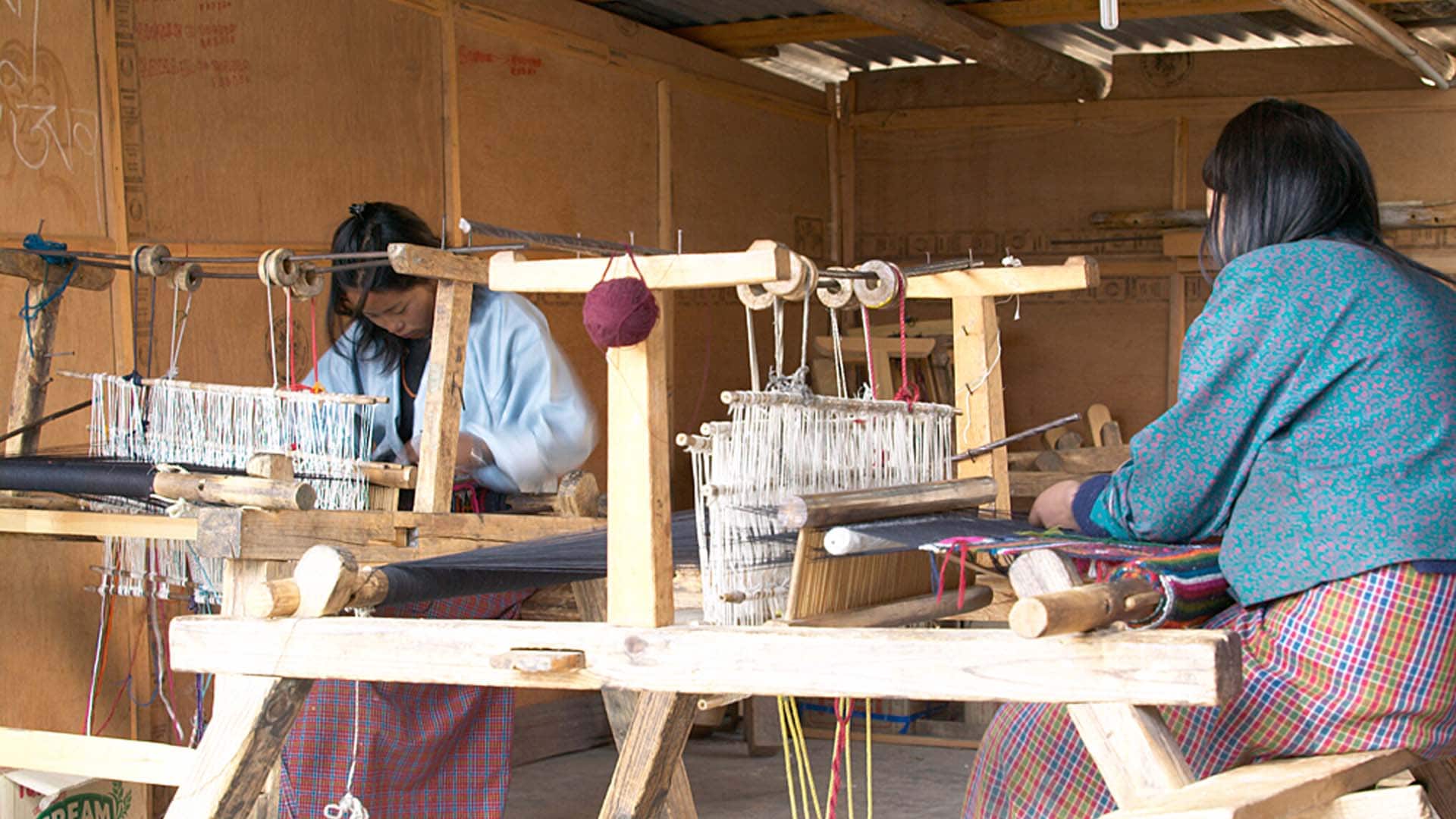
    Lhuentse – Home of Traditional Weaving

    Lhuentse is one of eastern Bhutan’s most culturally distinctive destinations.

    The region is particularly famous for its traditional textile traditions and is associated with some of Bhutan’s finest handwoven textiles.

    Visitors interested in Bhutanese crafts can explore:

    • Traditional weaving
    • Handwoven textiles
    • Local designs
    • Traditional clothing
    • Rural communities
    • Cultural traditions

    Lhuentse Dzong

    Lhuentse Dzong is an important cultural and religious landmark overlooking the Kurichu River.

    The dzong’s traditional architecture and scenic surroundings make it a worthwhile stop for travelers exploring northeastern Bhutan.

    Khoma Village

    Khoma is particularly famous for its traditional weaving traditions.

    The village provides travelers with an opportunity to observe the skills involved in producing Bhutanese textiles and learn about the cultural importance of traditional clothing.

    A visit to Khoma can be a rewarding experience for travelers interested in:

    • Handicrafts
    • Textiles
    • Traditional lifestyles
    • Photography
    • Cultural tourism

    Eastern Bhutan for Nature Lovers

    Eastern Bhutan contains extensive forests, mountain landscapes, river valleys, and areas rich in biodiversity.

    The region offers opportunities for:

    • Nature walks
    • Hiking
    • Bird watching
    • Wildlife observation
    • Photography
    • Mountain exploration
    • Scenic drives

    The landscape changes dramatically as travelers move between valleys and mountain passes.

    Bird Watching in Eastern Bhutan

    Eastern Bhutan is an excellent destination for bird enthusiasts because of its diverse forest ecosystems and varying elevations.

    Depending on the area and season, travelers may encounter a variety of Himalayan and subtropical bird species.

    Bird-Watching Experiences

    • Forest walks
    • Early morning birding
    • Mountain bird watching
    • River-valley exploration
    • Photography

    For serious bird watchers, a knowledgeable local guide can make the experience much more rewarding.

    Eastern Bhutan for Photography

    Eastern Bhutan is a dream destination for photographers looking for less familiar landscapes and authentic cultural scenes.

    Photography Opportunities

    • Mountain valleys
    • Traditional villages
    • Dzongs
    • Buddhist monuments
    • Local markets
    • Traditional textiles
    • Farmers
    • Monks
    • Festivals
    • Forest landscapes
    • Mountain roads

    The region’s combination of natural scenery and traditional lifestyles creates excellent opportunities for documentary and travel photography.

    Eastern Bhutan for Adventure Travelers

    Eastern Bhutan is well suited to travelers who enjoy road journeys, hiking, nature exploration, and discovering remote destinations.

    Adventure Experiences

    • Mountain road journeys
    • Hiking
    • Village walks
    • Nature trails
    • Bird watching
    • Mountain photography
    • Cultural exploration
    • Scenic viewpoints

    The journey itself is often one of the highlights because roads pass through dramatic mountain landscapes and remote communities.

    Traditional Village Life

    One of the biggest attractions of eastern Bhutan is the opportunity to experience traditional rural life.

    Visitors can explore villages where traditional homes, farms, temples, and community life remain an important part of everyday living.

    Village Experiences

    • Meet local families
    • Explore traditional homes
    • Visit local farms
    • Learn about traditional crafts
    • Taste local food
    • Observe traditional clothing
    • Experience community festivals

    Travelers should always respect local customs and ask permission before photographing people or private homes.

    Eastern Bhutanese Culture

    Eastern Bhutan has distinctive cultural traditions that add diversity to the country’s overall identity.

    Traditional clothing, local dialects, food, festivals, crafts, architecture, and community practices can vary between valleys.

    This cultural diversity makes eastern Bhutan particularly rewarding for travelers who want to explore the country’s regional traditions.

    Festivals of Eastern Bhutan

    Eastern Bhutan hosts several colorful religious and community festivals throughout the year.

    These celebrations may include:

    • Mask dances
    • Religious rituals
    • Traditional music
    • Local performances
    • Traditional costumes
    • Community gatherings
    • Local food

    Notable Festival Experiences

    Depending on your itinerary and travel dates, you may be able to experience festivals associated with:

    • Chorten Kora
    • Trashigang
    • Mongar
    • Lhuentse
    • Other local communities

    Festival dates are based on the Bhutanese lunar calendar and can change each year, so travelers should confirm the official schedule before planning a festival-focused trip.

    Eastern Bhutan for Cultural Travelers

    For travelers interested in Bhutanese heritage, eastern Bhutan provides a deeper and less-commercialized cultural experience.

    A cultural itinerary can include:

    Mongar → Trashigang → Trashiyangtse → Lhuentse

    This route allows visitors to explore historic dzongs, traditional villages, temples, handicrafts, and different regional landscapes.

    Eastern Bhutan for Families

    Eastern Bhutan can be a rewarding family destination for families who enjoy nature and cultural experiences.

    Family-Friendly Experiences

    • Village walks
    • Temple visits
    • Local markets
    • Traditional craft demonstrations
    • Scenic drives
    • Nature photography
    • Cultural festivals
    • Local food experiences

    Because some journeys involve long mountain-road travel, families should plan comfortable travel days with sufficient rest stops.

    Eastern Bhutan for Couples

    Couples looking for a quieter and more adventurous Bhutan experience can include eastern Bhutan in a longer itinerary.

    Couple Experiences

    • Scenic mountain drives
    • Peaceful valley stays
    • Village exploration
    • Traditional dining
    • Photography
    • Cultural experiences
    • Nature walks

    The region can provide a memorable alternative to more traditional honeymoon routes.

    Best Time to Visit Eastern Bhutan

    Spring – March to May

    Spring brings fresh greenery, blooming flowers, and pleasant conditions in many parts of eastern Bhutan.

    It is a good season for:

    • Sightseeing
    • Photography
    • Nature walks
    • Village exploration

    Summer – June to August

    The landscape becomes lush and green, although monsoon rainfall can affect road conditions and travel plans.

    Autumn – September to November

    Autumn generally offers pleasant weather and clearer mountain views, making it one of the best periods for exploring the region.

    Winter – December to February

    Lower valleys can remain relatively comfortable, while higher areas can become cold. Winter can be a peaceful time to experience less-crowded destinations.

    Suggested Stay Duration

    Eastern Bhutan deserves more time than a quick overnight stop because distances between destinations can be significant.

    We recommend 4–7 days, depending on the number of valleys you want to explore.

    Sample 5-Day Eastern Bhutan Itinerary

    Day 1 – Mongar

    • Arrive in Mongar
    • Visit Mongar Dzong
    • Explore the town
    • Mountain-view sightseeing
    • Overnight in Mongar

    Day 2 – Mongar to Trashigang

    • Scenic mountain drive
    • Village exploration
    • Arrive in Trashigang
    • Visit Trashigang Dzong
    • Overnight in Trashigang

    Day 3 – Trashigang & Surroundings

    • Explore local villages
    • Visit cultural sites
    • Nature experience
    • Photography
    • Overnight in Trashigang

    Day 4 – Trashiyangtse

    • Travel toward Trashiyangtse
    • Visit Chorten Kora
    • Explore traditional crafts
    • Village walk
    • Overnight in Trashiyangtse

    Day 5 – Lhuentse

    • Travel toward Lhuentse
    • Visit Lhuentse Dzong
    • Explore traditional weaving culture
    • Visit local villages
    • Continue your journey

    Nearby Destinations

    Bumthang

    The spiritual heartland of Bhutan, famous for ancient temples, monasteries, valleys, and traditional culture.

    Trongsa

    A historic central Bhutanese town dominated by the impressive Trongsa Dzong.

    Phobjikha

    A beautiful mountain valley famous for Gangtey Monastery and Black-Necked Cranes.

    Samdrup Jongkhar

    A southeastern gateway to Bhutan with a warmer climate and different landscape from the high Himalayan valleys.

    Food in Eastern Bhutan

    Eastern Bhutan offers travelers opportunities to experience regional Bhutanese cuisine.

    Popular Foods

    • Ema Datshi
    • Kewa Datshi
    • Phaksha Paa
    • Bhutanese Red Rice
    • Momos
    • Local vegetables
    • Traditional soups
    • Butter tea

    Travelers staying in rural areas may have the opportunity to enjoy locally prepared home-style meals.

    Accommodation in Eastern Bhutan

    Accommodation options vary between towns and rural destinations.

    Travelers can find:

    • Hotels
    • Guesthouses
    • Local lodges
    • Boutique accommodations
    • Farmhouse stays

    In remote areas, accommodation choices can be more limited than in Paro or Thimphu, so advance planning is recommended.

    Travel Information

    Visa and Permits

    International travelers generally require a Bhutan visa arranged through an authorized Bhutanese tourism service provider. Requirements can vary according to nationality and itinerary.

    Indian travelers follow Bhutan’s separate entry-permit requirements.

    Sustainable Development Fee

    Bhutan’s Sustainable Development Fee supports sustainable tourism, environmental protection, education, healthcare, and other national priorities. Current rates and regulations should be confirmed before travel.

    Entry for Indian Travelers

    Indian citizens can generally enter Bhutan with a valid Passport or Voter Identity Card and the required entry permit.

    Flights

    Eastern Bhutan has limited domestic air connectivity, and many travelers explore the region by road. Gelephu, Yonphula, and Bathpalathang are among Bhutan’s domestic aviation points, but schedules and routes can vary.

    For most travelers, road travel is an important part of exploring eastern Bhutan.

    Currency

    The official currency is the Bhutanese Ngultrum (BTN). Indian Rupees are also widely accepted in Bhutan, although travelers should carry sufficient cash for remote areas.

    Internet

    Internet connectivity is generally available in larger towns and hotels but may be weaker in remote villages and mountainous areas.

    Safety

    Eastern Bhutan is generally peaceful and safe for visitors. Travelers should take normal precautions and exercise extra care on mountain roads, especially during periods of heavy rainfall.

    Packing Tips for Eastern Bhutan

    Because the region covers different elevations and climates, packing layers is recommended.

    Essentials

    • Comfortable walking shoes
    • Hiking shoes
    • Warm jacket
    • Lightweight layers
    • Rain jacket
    • Sunglasses
    • Sunscreen
    • Personal medications
    • Reusable water bottle
    • Power bank
    • Camera
    • Binoculars
    • Small backpack

    For temple and dzong visits, wear modest and respectful clothing.

    Why Explore Eastern Bhutan with Bhutan Travel Tag?

    At Bhutan Travel Tag, we design customized journeys for travelers who want to discover Bhutan beyond the traditional tourist circuit.

    Our eastern Bhutan tours can combine:

    • Cultural exploration
    • Village experiences
    • Scenic road journeys
    • Nature walks
    • Bird watching
    • Photography
    • Traditional crafts
    • Religious sites
    • Local festivals
    • Mountain landscapes

    Whether you want to explore Mongar, Trashigang, Trashiyangtse, Lhuentse, or other eastern destinations, we can create an itinerary based on your interests and available travel time.

    Discover the Untouched Side of Bhutan

    Eastern Bhutan offers a different perspective of the kingdom—one shaped by remote mountain valleys, traditional communities, ancient Buddhist heritage, rich forests, local craftsmanship, and peaceful landscapes.

    Travel with Bhutan Travel Tag and discover Eastern Bhutan—a less-explored region where authentic culture, natural beauty, and unforgettable mountain journeys come together.

    Best Time to Visit

    October to April.

    Suggested Stay

    3–5 Days

    Accommodation Options

    Boutique hotels, eco-lodges, and traditional homestays.

    Sample Itinerary

    Explore Mongar and Trashigang, visit traditional villages, experience local crafts, and discover the unique culture of Eastern Bhutan.
    Call Us