Haa Valley – Bhutan’s Hidden Gem

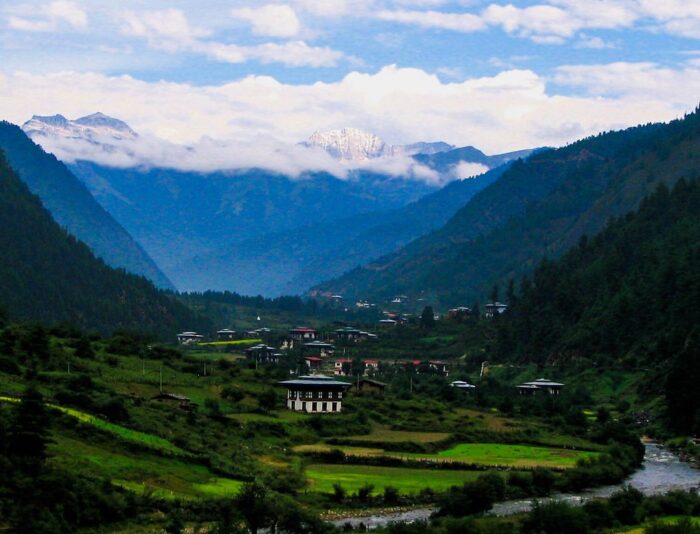
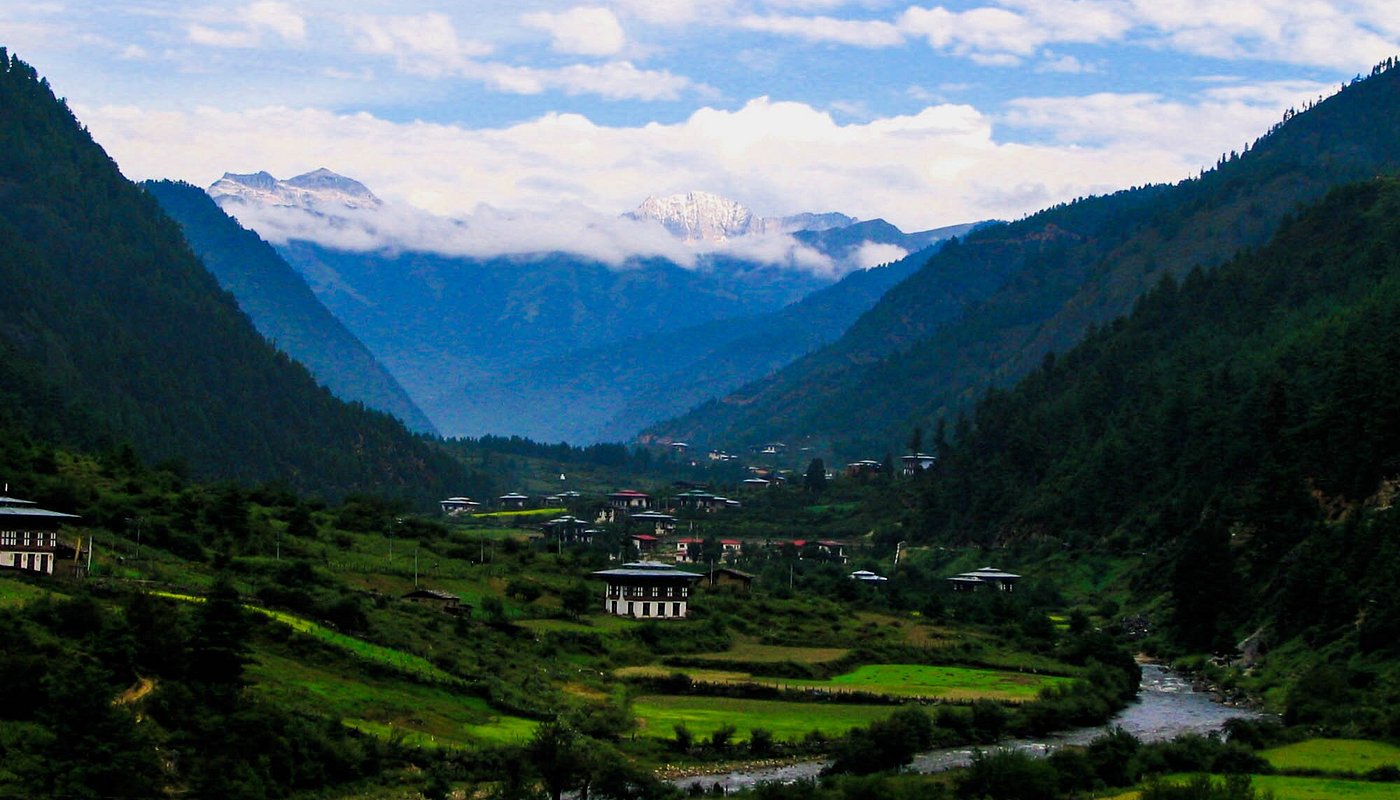
Haa Valley remains one of Bhutan’s least-explored destinations. Surrounded by majestic mountains and traditional villages, it offers authentic Bhutanese experiences away from crowded tourist routes.

mountains-guard-mountains
Haa Valley Scenic Route
Inspired by the World • Inspired by the World •

Why Visit Haa Valley?

Haa Valley offers a combination of natural beauty, spirituality, culture, and rural experiences.

  • Peaceful Himalayan valley
  • Beautiful alpine forests
  • Traditional Bhutanese villages
  • Ancient temples and sacred sites
  • Scenic mountain roads
  • Hiking and nature trails
  • Mountain biking opportunities
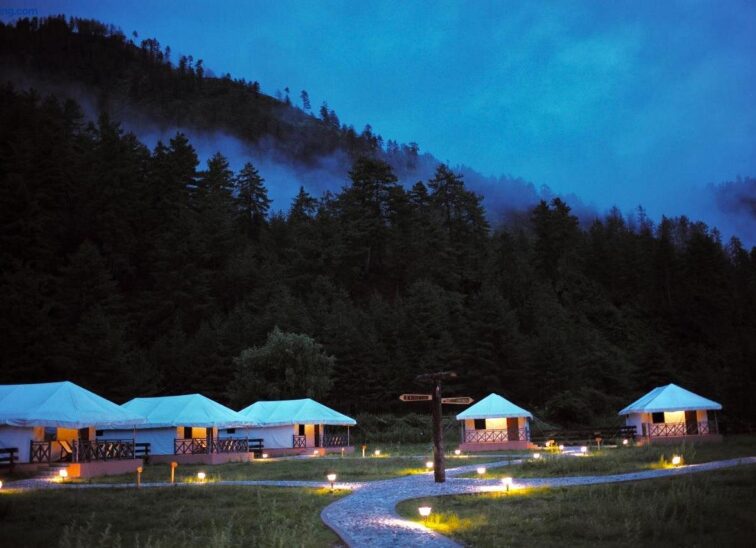
  • Traditional farmhouse stays
  • Local cultural experiences
  • Haa Summer Festival
  • Excellent photography opportunities
  • Haa is ideal for travelers who want to experience Bhutan away from the busiest tourist routes. The valley is surrounded by wooded hills and alpine landscapes, creating a calm atmosphere that is perfect for slow travel. Visitors can spend time walking through villages, exploring local trails, meeting residents, and enjoying the surrounding mountains. The region is also known for its relatively pristine natural environment and tranquil wooded hills.

    Haa Valley's Natural Beauty

    The landscape of Haa changes dramatically with altitude and season. Visitors can experience dense forests, open mountain slopes, streams, agricultural fields, and alpine meadows.

    The area is particularly attractive for travelers interested in:

    • Nature photography
    • Hiking
    • Bird watching
    • Mountain scenery
    • Forest walks
    • Village exploration
    • Scenic drives

    The official tourism information describes Haa as an area with alpine forests and tranquil wooded hills, making it particularly suitable for hiking and mountain biking.

    Black-Necked Crane Information Centre

    The Black-Necked Crane Information Centre provides visitors with information about the cranes, their migration, and conservation efforts.

    The center is a useful stop for travelers interested in:

    • Bird watching
    • Wildlife conservation
    • Photography
    • Local ecology
    • Environmental education

    It also provides a better understanding of why Phobjikha is such an important habitat for these beautiful birds.

    Phobjikha Nature Trails

    The valley offers several peaceful walking opportunities through meadows, forests, and traditional settlements.

    Nature walks are a great way to experience the landscape at a slower pace.

    During a Nature Walk You May See

    • Mountain landscapes
    • Forests and meadows
    • Traditional homes
    • Local farms
    • Birds and wildlife
    • Prayer flags
    • Small streams

    These trails are suitable for travelers who want to combine light outdoor activity with sightseeing.

    Phobjikha for Bird Watching

    Phobjikha is an excellent destination for bird enthusiasts. In addition to Black-Necked Cranes, the valley and surrounding forests support a variety of Himalayan bird species.

    Bird watching can be combined with nature walks and photography excursions.

    The peaceful surroundings also make early-morning birding particularly enjoyable.

    Phobjikha for Photography

    Phobjikha is one of Bhutan’s most scenic photography destinations.

    The wide valley, surrounding mountains, traditional houses, monastery, prayer flags, and wildlife create a variety of subjects.

    Photography Opportunities

    • Black-Necked Cranes
    • Gangtey Monastery
    • Himalayan landscapes
    • Traditional villages
    • Prayer flags
    • Sunrise and sunset
    • Local people and lifestyles
    • Nature and wildlife

    During winter, the presence of Black-Necked Cranes makes the valley particularly attractive to wildlife photographers.

    Traditional Village Life

    Phobjikha offers visitors the opportunity to experience rural Bhutanese life.

    Traditional homes, farms, grazing fields, and small settlements are scattered throughout the valley.

    Travelers can explore local communities, learn about traditional lifestyles, and enjoy the peaceful atmosphere of the countryside.

    A farmhouse visit can also provide an opportunity to experience authentic Bhutanese hospitality and traditional food.

    Phobjikha and Bhutanese Spirituality

    The valley has a strong connection with Bhutan’s Buddhist traditions.

    Gangtey Monastery remains an important religious center, while prayer flags, small shrines, and traditional homes add to the spiritual character of the valley.

    Visitors can enjoy the peaceful atmosphere while learning more about Bhutanese Buddhist culture.

    Black-Necked Crane Festival

    The Black-Necked Crane Festival is held annually in the Phobjikha Valley to celebrate the arrival of the cranes and promote awareness about their conservation.

    The festival combines environmental awareness with Bhutanese culture.

    Visitors may experience:

    • Traditional dances
    • Cultural performances
    • Local music
    • Educational activities
    • Community celebrations
    • Crane-themed programs

    It is an excellent opportunity to experience both wildlife conservation and Bhutanese culture.

    Adventure and Outdoor Activities

    Phobjikha is more focused on nature and peaceful exploration than extreme adventure, but visitors can enjoy several outdoor activities.

    Popular Activities

    • Hiking
    • Nature walks
    • Bird watching
    • Wildlife photography
    • Mountain biking
    • Village walks
    • Scenic drives
    • Camping

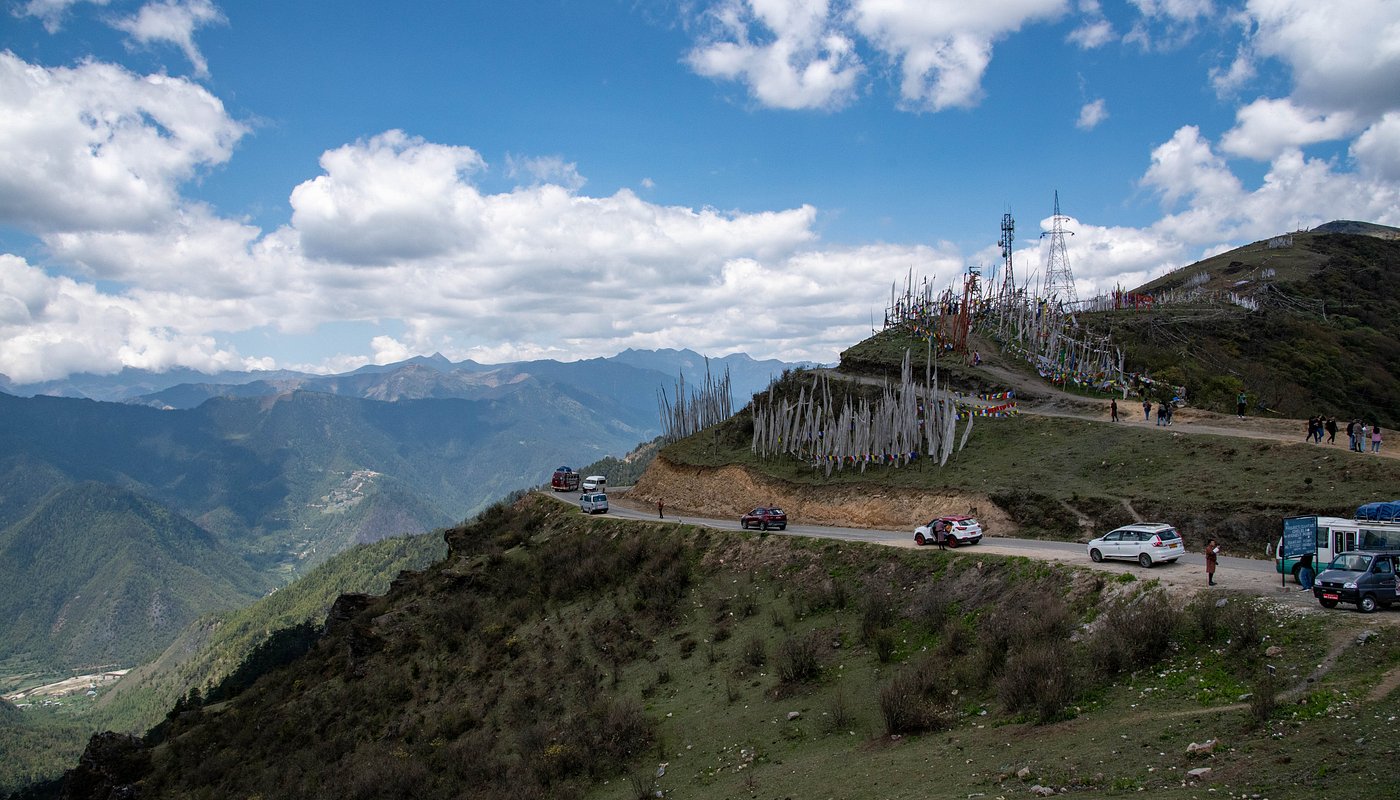
    Chele La Pass – Gateway to Haa

    One of the most scenic ways to reach Haa Valley is by crossing Chele La Pass from Paro.

    At approximately 3,988 metres above sea level, Chele La is among Bhutan’s highest motorable passes. The journey offers spectacular mountain scenery and panoramic views when weather conditions are clear.

    The road journey from Paro to Haa takes around two hours and crosses the Chele La mountain pass.

    What You Can Experience

    • Mountain viewpoints
    • Prayer flags
    • Alpine landscapes
    • Forest scenery
    • Photography stops
    • Scenic Himalayan drives

    The pass itself can be a memorable part of a Haa Valley journey.

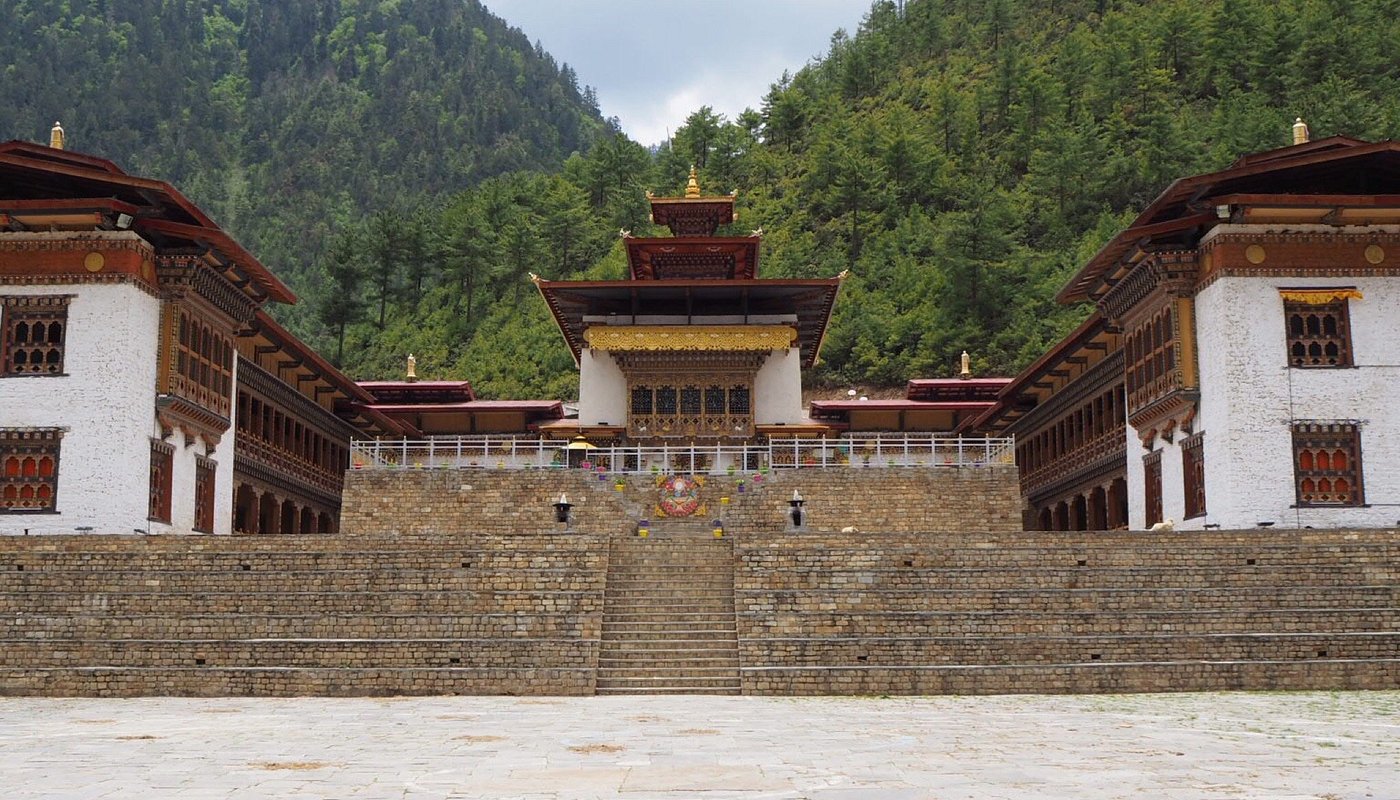
    Lhakhang Karpo – The White Temple

    Lhakhang Karpo, meaning the White Temple, is one of Haa’s important religious sites.

    The temple is associated with Bhutan’s Buddhist heritage and forms part of the valley’s rich collection of sacred places.

    Its traditional architecture and peaceful surroundings make it an interesting stop for visitors exploring Haa’s spiritual heritage.

    Lhakhang Nagpo – The Black Temple

    Located in the Haa region, Lhakhang Nagpo, or the Black Temple, is another important sacred site.

    Together, Lhakhang Karpo and Lhakhang Nagpo are closely associated with Haa’s religious traditions and local cultural identity.

    Visitors should observe appropriate etiquette when visiting temples and other sacred places.

    Other Sacred Sites

    Haa is home to several other important religious and cultural sites, including:

    • Chundu Lhakhang
    • Tagchu Goenpa
    • Lhakhang Karpo
    • Lhakhang Nagpo

    The Department of Tourism specifically identifies these among Haa’s sacred sites.

    These locations provide an opportunity to explore Bhutan’s spiritual traditions beyond the country’s better-known attractions.

    Traditional Village Life

    One of the most rewarding experiences in Haa is simply spending time in its villages.

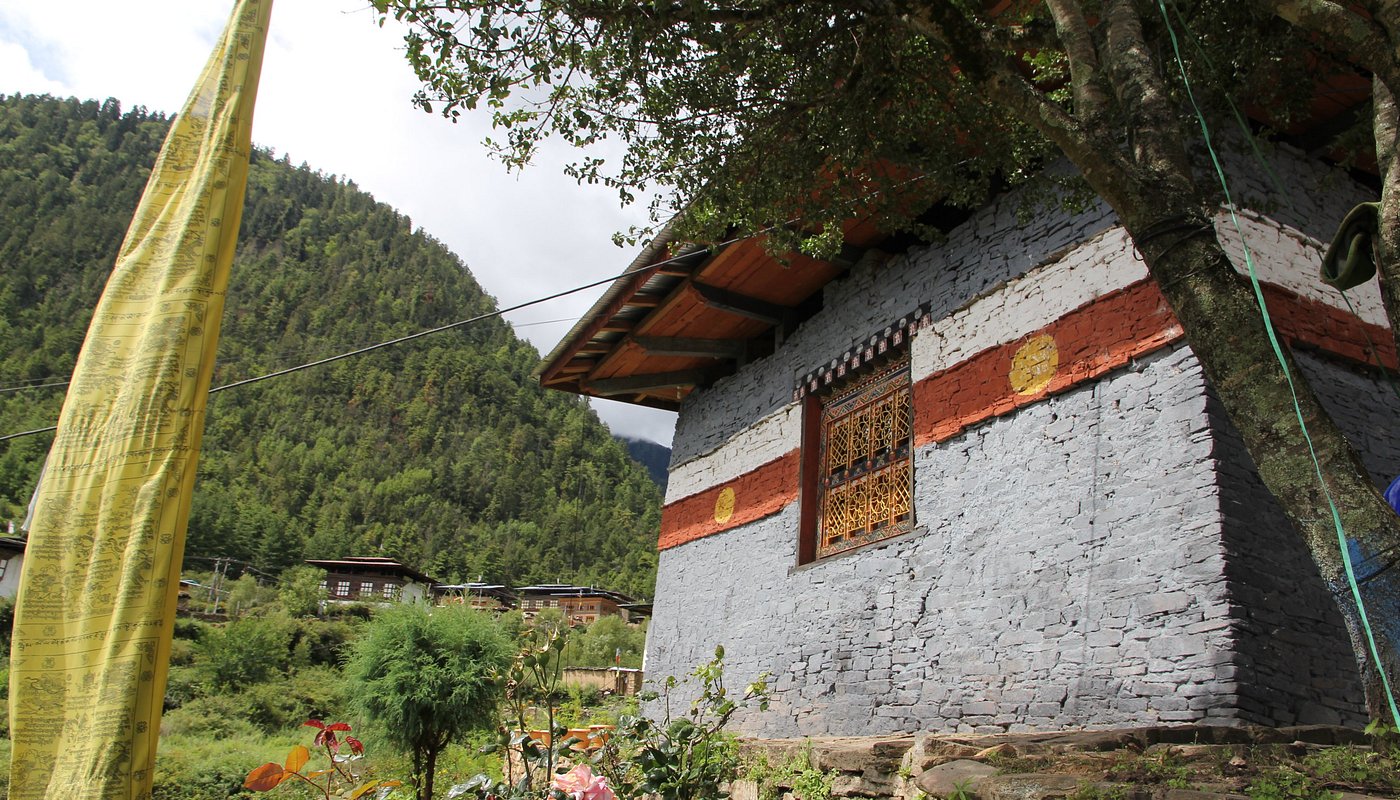
    Traditional homes, agricultural fields, forests, and mountain landscapes create an authentic rural Bhutanese setting.

    Visitors can:

    • Walk through traditional villages
    • Meet local families
    • Observe farming practices
    • Experience traditional homes
    • Learn about local customs
    • Enjoy authentic Bhutanese food

    For travelers wanting a deeper cultural experience, a farmhouse stay can be particularly rewarding. Bhutan’s tourism information specifically promotes local farmhouse stays as a way to understand the traditional lifestyle of Haa.

    Farmhouse Experience in Haa

    A traditional farmhouse stay allows visitors to experience Bhutan beyond conventional hotels.

    Depending on the property and arrangements, travelers may experience:

    • Traditional Bhutanese meals
    • Local hospitality
    • Rural surroundings
    • Traditional architecture
    • Village life
    • Conversations with local families

    It is an excellent option for travelers interested in cultural tourism and authentic local experiences.

    Hiking in Haa Valley

    Haa is an excellent destination for hiking and nature walks.

    The surrounding mountains contain old trails passing through forests, mountain slopes, meadows, and streams. The official tourism material highlights centuries-old trails and scenic natural environments around Haa.

    Hiking Experiences

    • Short nature walks
    • Village hikes
    • Forest trails
    • Mountain viewpoints
    • Alpine meadow walks
    • Multi-day trekking

    Nub Tshona Pata Trek

    For experienced trekkers, the Nub Tshona Pata Trek offers a more adventurous experience.

    The official tourism information describes it as a six-day trek passing through Haa Valley, alpine meadows, rhododendron areas, and the sacred Nub Tshona Pata Lake.

    The route reaches elevations of approximately 2,735–4,420 metres and provides views toward major Himalayan peaks.

    This trek is better suited to travelers with appropriate trekking experience and preparation.

    Best Time to Visit

    April to June and September to November.

    Suggested Stay

    1–2 Days

    Accommodation Options

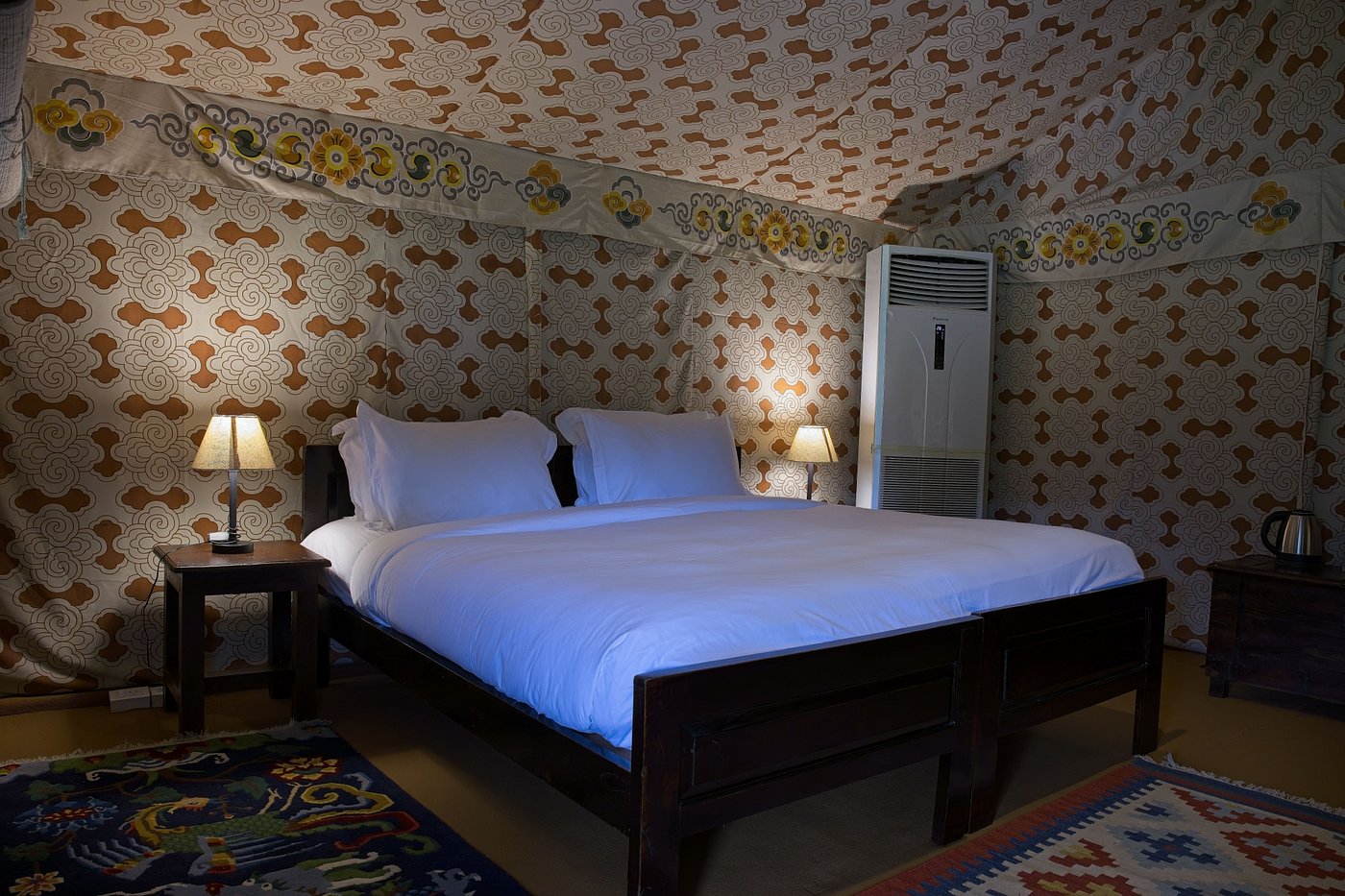
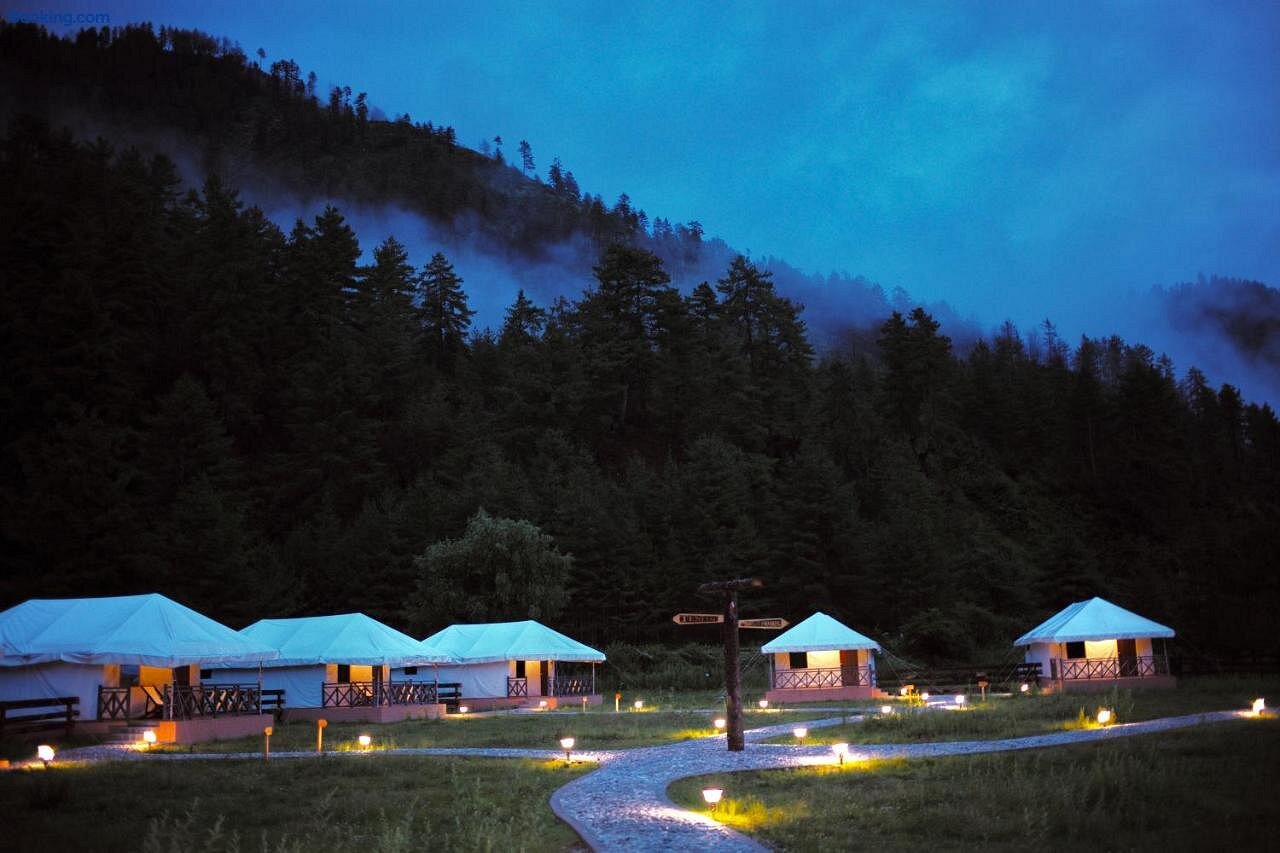
    Heritage lodges, boutique guesthouses, and traditional Bhutanese homestays

    Sample Itinerary

    Explore the valley's temples and villages while enjoying breathtaking mountain scenery and local cultural experiences.

    Top Attractions

    Explore Haa Valley
    Call Us