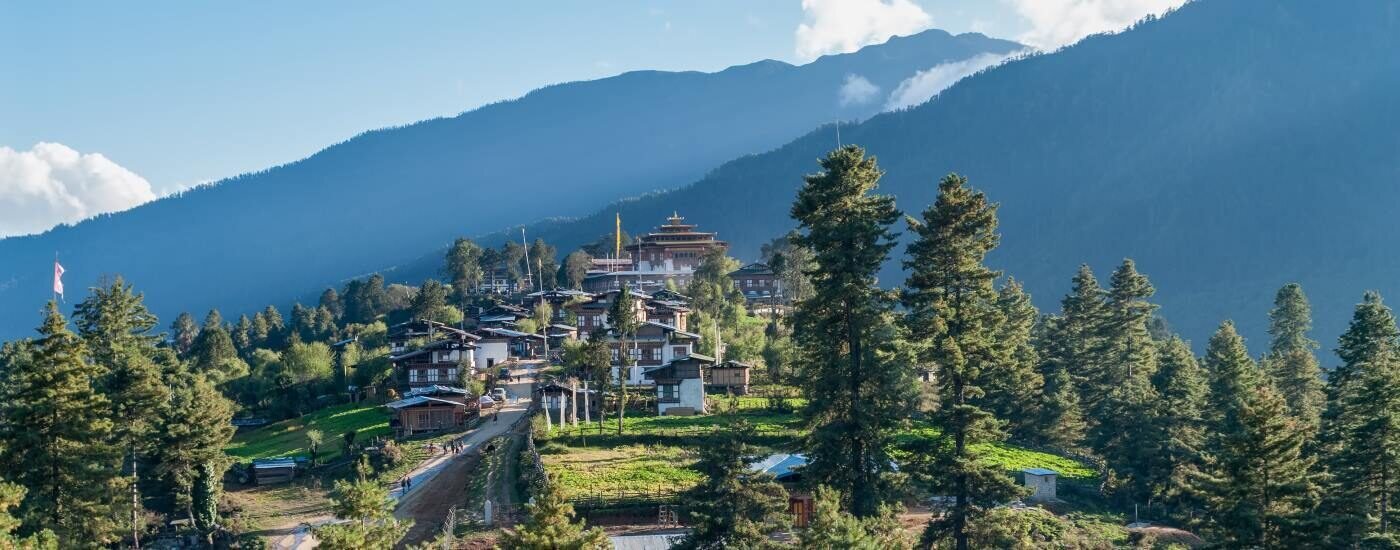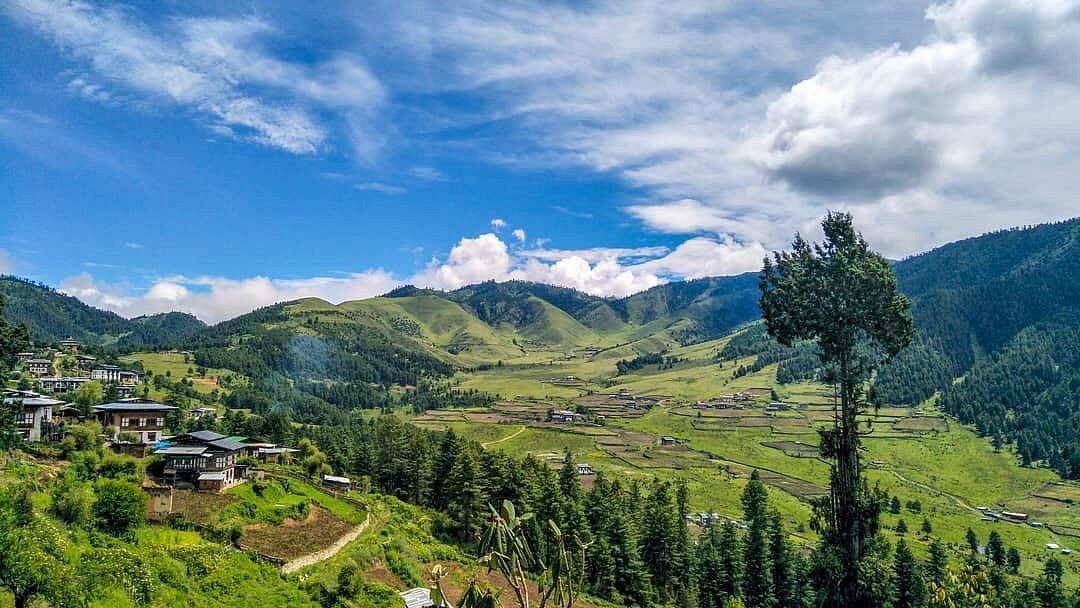

Why Visit Phobjikha Valley?
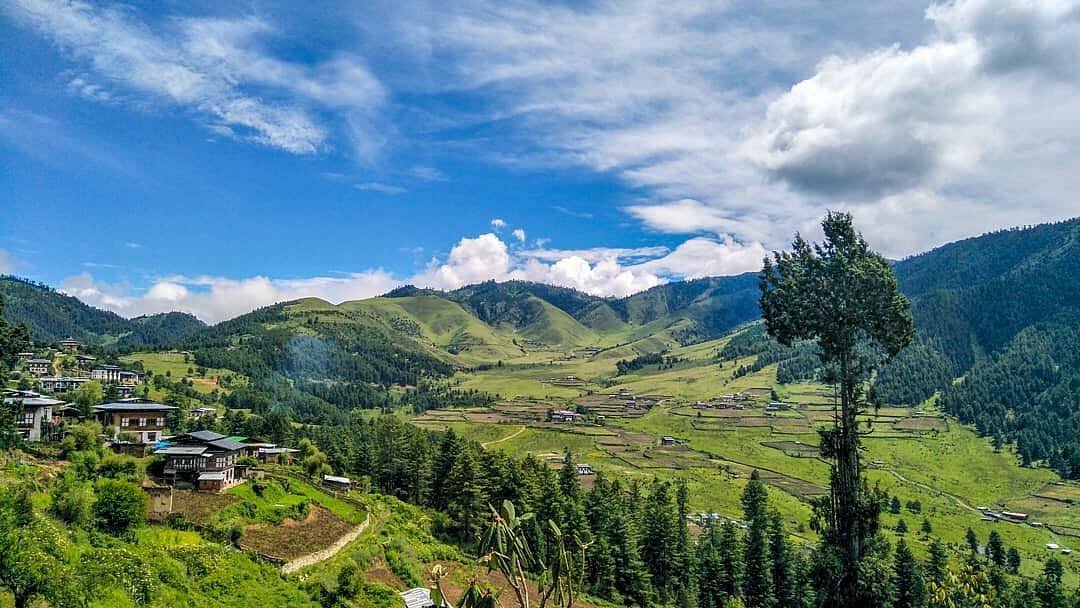
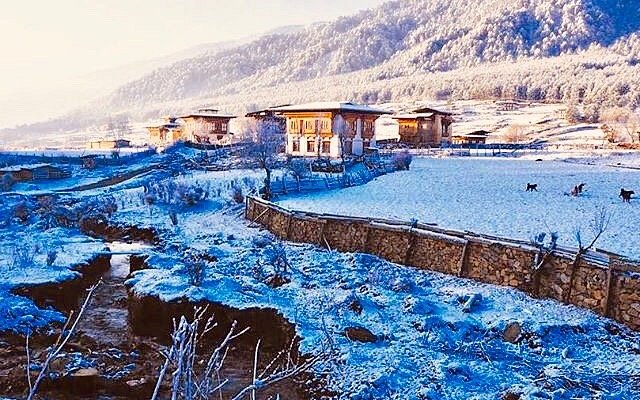
Phobjikha offers a wonderful combination of nature, spirituality, wildlife, and traditional Bhutanese culture.
Black-Necked Cranes
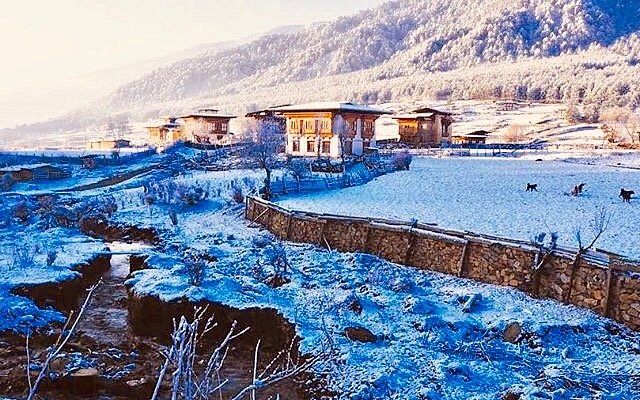
Phobjikha is internationally recognized as a winter habitat for the Black-Necked Crane, a rare and protected migratory bird.
The cranes typically arrive in the valley during the winter months after migrating from the Tibetan Plateau.
Their arrival is an important seasonal event for the local community and conservation efforts.
Best Time for Crane Watching
October to February is generally the best period for travelers hoping to see Black-Necked Cranes.
Visitors should maintain a respectful distance and follow local conservation guidelines while observing the birds.
Black-Necked Crane Information Centre
The Black-Necked Crane Information Centre provides visitors with information about the cranes, their migration, and conservation efforts.
The center is a useful stop for travelers interested in:
- Bird watching
- Wildlife conservation
- Photography
- Local ecology
- Environmental education
It also provides a better understanding of why Phobjikha is such an important habitat for these beautiful birds.
Phobjikha Nature Trails
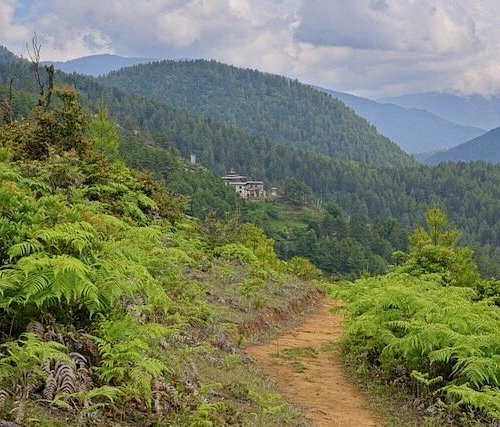
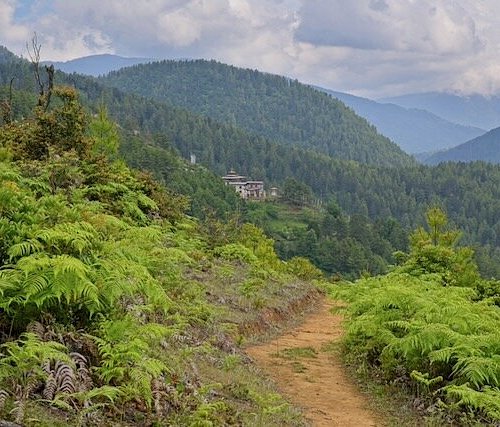
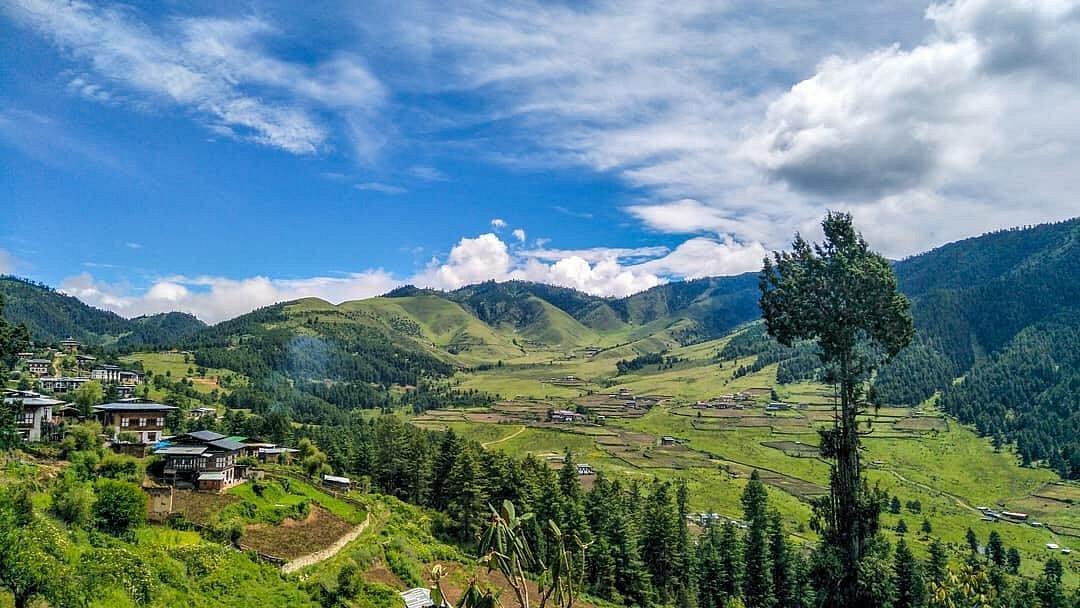
The valley offers several peaceful walking opportunities through meadows, forests, and traditional settlements.
Nature walks are a great way to experience the landscape at a slower pace.
During a Nature Walk You May See
- Mountain landscapes
- Forests and meadows
- Traditional homes
- Local farms
- Birds and wildlife
- Prayer flags
- Small streams
These trails are suitable for travelers who want to combine light outdoor activity with sightseeing.
Phobjikha for Bird Watching
Phobjikha is an excellent destination for bird enthusiasts. In addition to Black-Necked Cranes, the valley and surrounding forests support a variety of Himalayan bird species.
Bird watching can be combined with nature walks and photography excursions.
The peaceful surroundings also make early-morning birding particularly enjoyable.
Phobjikha for Photography
Phobjikha is one of Bhutan’s most scenic photography destinations.
The wide valley, surrounding mountains, traditional houses, monastery, prayer flags, and wildlife create a variety of subjects.
Photography Opportunities
- Black-Necked Cranes
- Gangtey Monastery
- Himalayan landscapes
- Traditional villages
- Prayer flags
- Sunrise and sunset
- Local people and lifestyles
- Nature and wildlife
During winter, the presence of Black-Necked Cranes makes the valley particularly attractive to wildlife photographers.
Traditional Village Life
Phobjikha offers visitors the opportunity to experience rural Bhutanese life.
Traditional homes, farms, grazing fields, and small settlements are scattered throughout the valley.
Travelers can explore local communities, learn about traditional lifestyles, and enjoy the peaceful atmosphere of the countryside.
A farmhouse visit can also provide an opportunity to experience authentic Bhutanese hospitality and traditional food.
Phobjikha and Bhutanese Spirituality
The valley has a strong connection with Bhutan’s Buddhist traditions.
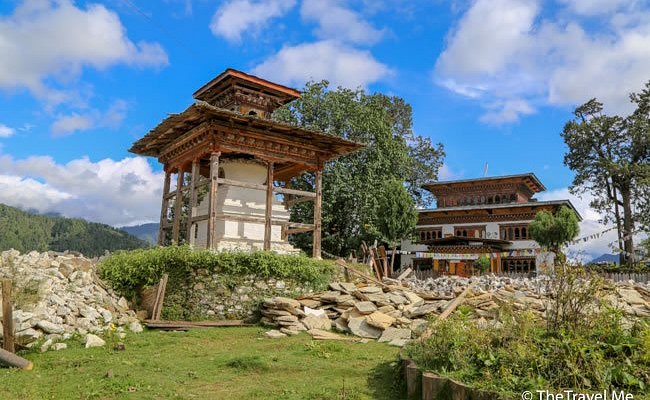
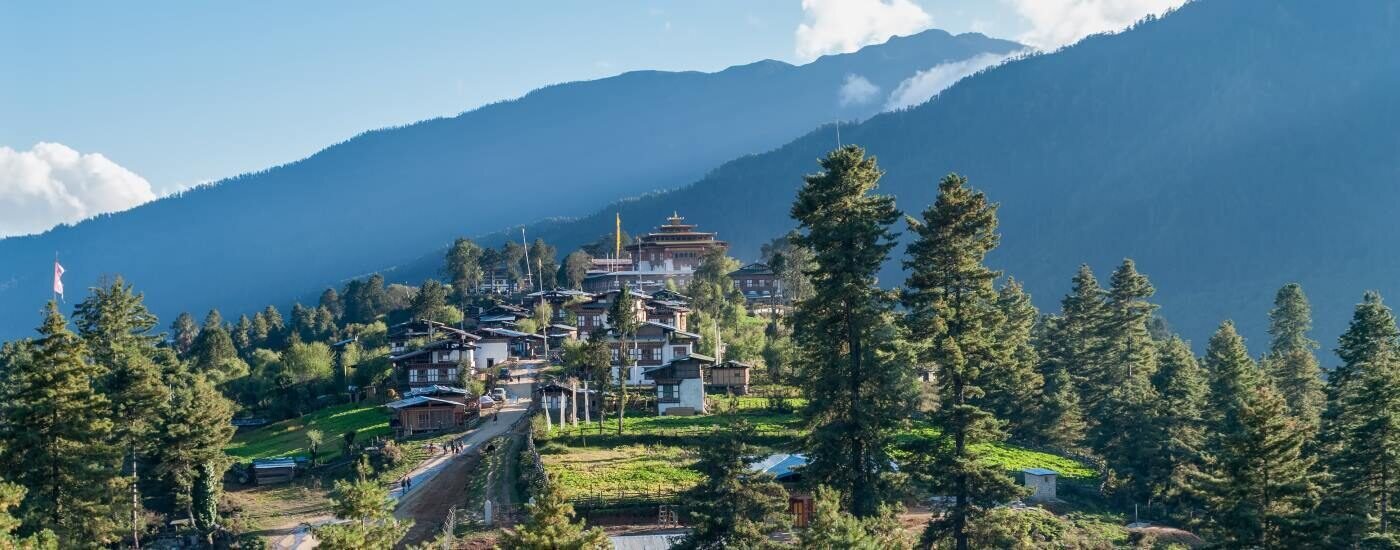
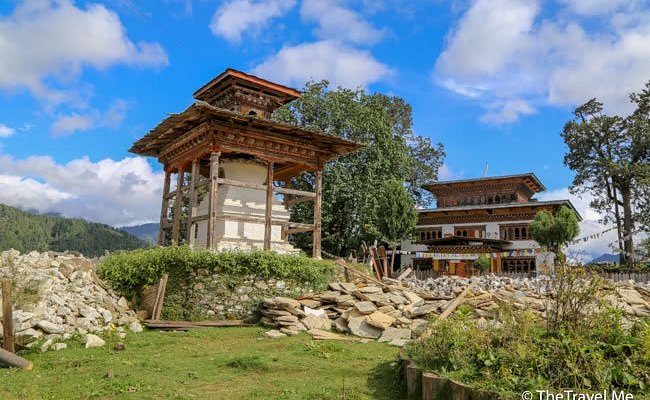
Gangtey Monastery remains an important religious center, while prayer flags, small shrines, and traditional homes add to the spiritual character of the valley.
Visitors can enjoy the peaceful atmosphere while learning more about Bhutanese Buddhist culture.
Black-Necked Crane Festival
The Black-Necked Crane Festival is held annually in the Phobjikha Valley to celebrate the arrival of the cranes and promote awareness about their conservation.
The festival combines environmental awareness with Bhutanese culture.
Visitors may experience:
- Traditional dances
- Cultural performances
- Local music
- Educational activities
- Community celebrations
- Crane-themed programs
It is an excellent opportunity to experience both wildlife conservation and Bhutanese culture.
Adventure and Outdoor Activities
Phobjikha is more focused on nature and peaceful exploration than extreme adventure, but visitors can enjoy several outdoor activities.
Popular Activities
- Hiking
- Nature walks
- Bird watching
- Wildlife photography
- Mountain biking
- Village walks
- Scenic drives
- Camping
Best Time to Visit Phobjikha
Autumn – September to November
The valley becomes particularly scenic, with comfortable temperatures and clear mountain views. Black-Necked Cranes begin arriving toward the later part of this period.
Winter – December to February
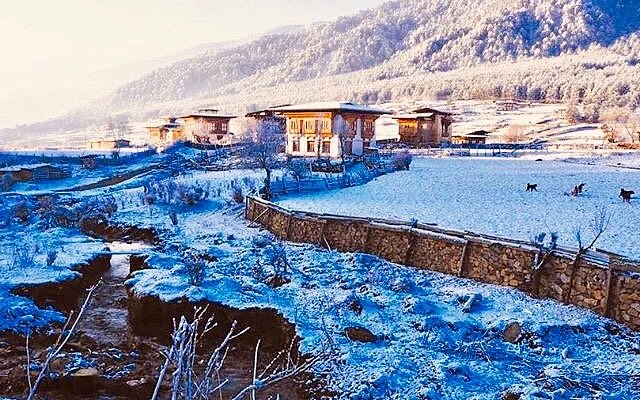
This is the best period for crane watching. The valley is peaceful and offers excellent opportunities for wildlife photography.
Spring – March to May
Spring brings pleasant weather and changing landscapes, making it suitable for nature walks and sightseeing.
Summer – June to August
The valley becomes lush and green, although rainfall can occur during the monsoon season.
Suggested Stay Duration
We recommend 1–2 nights in Phobjikha Valley.
Suggested 2-Day Itinerary
Day 1
- Arrive in Phobjikha
- Visit Gangtey Monastery
- Explore the valley
- Enjoy a nature walk
- Sunset photography
Day 2
- Early morning bird watching
- Visit the Black-Necked Crane Information Centre
- Explore nearby villages
- Experience local Bhutanese culture
- Continue your journey to the next destination
Accommodation in Phobjikha
Phobjikha offers a range of accommodation options, including:
- Boutique hotels
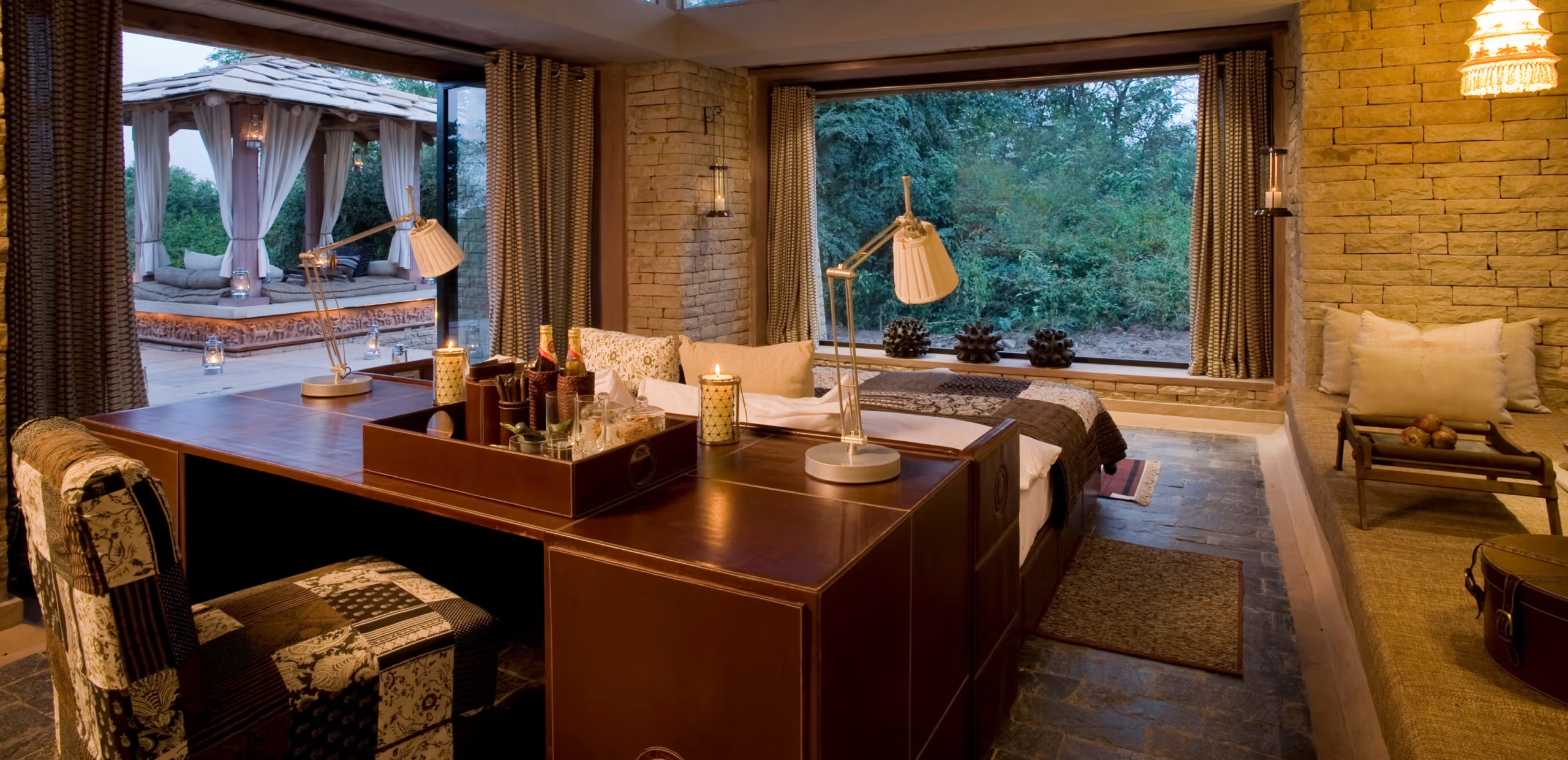
- Eco-friendly lodges
- Mountain retreats
- Traditional guesthouses
- Farmhouse stays
Staying overnight allows visitors to enjoy the peaceful atmosphere of the valley, especially during early mornings and evenings.
Food in Phobjikha
Visitors can enjoy traditional Bhutanese dishes prepared using locally available ingredients.
Popular dishes include:
- Ema Datshi
- Kewa Datshi
- Bhutanese Red Rice
- Phaksha Paa
- Momos
- Traditional soups
- Butter tea
Some hotels and resorts also provide Indian, Continental, and other international cuisine.
Nearby Destinations
Phobjikha is well positioned for exploring central Bhutan.
Punakha
Visit the magnificent Punakha Dzong and explore the beautiful river valleys.
Wangdue Phodrang
Explore traditional villages, scenic landscapes, and cultural attractions.
Trongsa
Discover one of Bhutan’s most important historic dzongs and mountain viewpoints.
Bumthang
Continue toward Bhutan’s spiritual heart and explore its ancient monasteries and valleys.
Travel Information
Visa and Permits
International travelers generally require a Bhutan visa arranged through an authorized Bhutanese tour operator. Certain protected areas may require additional permits.
Indian travelers follow Bhutan’s separate entry-permit requirements.
Sustainable Development Fee
Bhutan’s Sustainable Development Fee contributes toward sustainable tourism, environmental conservation, education, healthcare, and other national priorities. Applicable rates and regulations can change, so travelers should confirm the current requirements before departure.
Entry for Indian Travelers
Indian citizens can generally enter Bhutan using a valid Passport or Voter Identity Card and must obtain the required entry permit.
Flights
Phobjikha does not have an airport. Most travelers arrive through Paro International Airport and continue by road via Thimphu, Punakha, or Wangdue Phodrang.
Currency
The official currency is the Bhutanese Ngultrum (BTN). Indian Rupees are also widely accepted in Bhutan, although availability of payment facilities may vary in rural areas.
Internet
Internet connectivity is available at most hotels and accommodations, but coverage may be weaker in remote areas of the valley.
Safety
Phobjikha is a peaceful destination and is generally safe for travelers. Visitors should follow local guidelines when walking on trails and especially when observing Black-Necked Cranes.
Packing Tips for Phobjikha
Because the valley can be considerably cooler than lower-altitude destinations, especially during winter, travelers should pack appropriately.
Recommended Items
- Warm jacket
- Thermal layers during winter
- Comfortable walking shoes
- Waterproof jacket
- Sunglasses
- Sunscreen
- Personal medications
- Reusable water bottle
- Binoculars for bird watching
- Camera and extra batteries
- Power bank
For monastery visits, modest and respectful clothing is recommended.
Why Visit Phobjikha with Bhutan Travel Tag?
At Bhutan Travel Tag, we help travelers experience Phobjikha beyond its popular attractions. Our carefully designed itineraries combine wildlife, nature, culture, spirituality, and local experiences.
Whether you want to photograph Black-Necked Cranes, explore Gangtey Monastery, walk through peaceful valleys, or simply relax in the mountains, we can create an itinerary suited to your interests.
Discover the Peace of Phobjikha
From the graceful flight of Black-Necked Cranes to the peaceful presence of Gangtey Monastery, Phobjikha offers an experience that is both beautiful and meaningful.
Visit Phobjikha with Bhutan Travel Tag and discover one of Bhutan’s most peaceful valleys, where nature, culture, and spirituality come together.
Sample Itinerary
Top Attractions
Explore Phobjikha
8-days-reservations-info
Gangtey Monastery
Gangtey Village
Nature Trails
Phobjikha